This was a weekend of all steps forward. As an added bonus, I also had friends staying. Whilst it’s hardly resort-style with us all on airbeds with sleeping bags, I really appreciate them making the trek and seeing the Convent during its different stages.
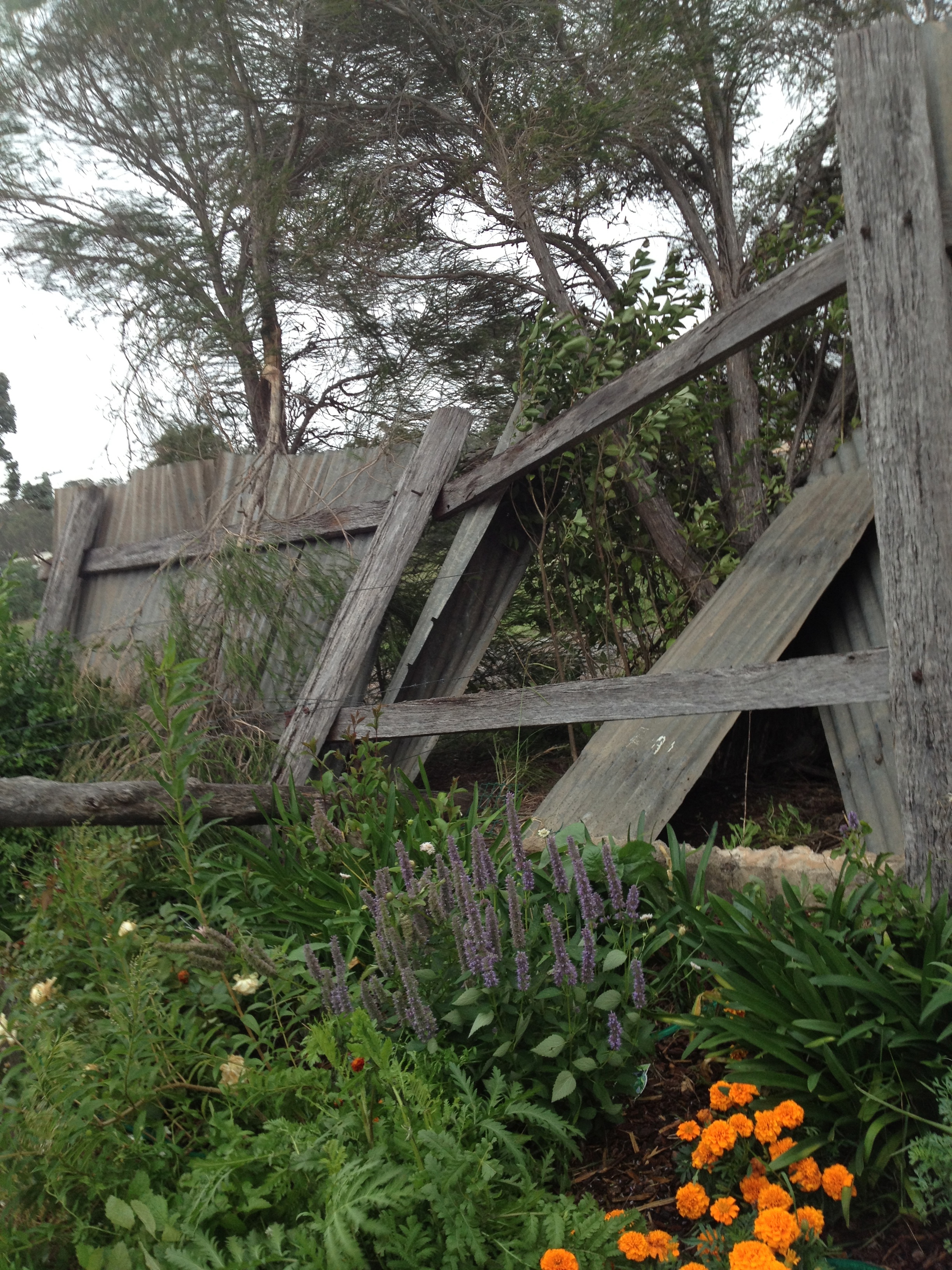
After many many months of my tumbled down fence post Cementa, it was finally fixed. And what a difference! It gives me a good idea of how it will look when the whole of the galavised iron fence comes down sometime in the future. It’s also a treat to get a working driveway gate back and gives me more area to plant climbers on – Atomic Blonde climbing rose quickly found a home and the Crepuscule which was already there was readjusted after losing its old climbing frame.
From this …… to this.
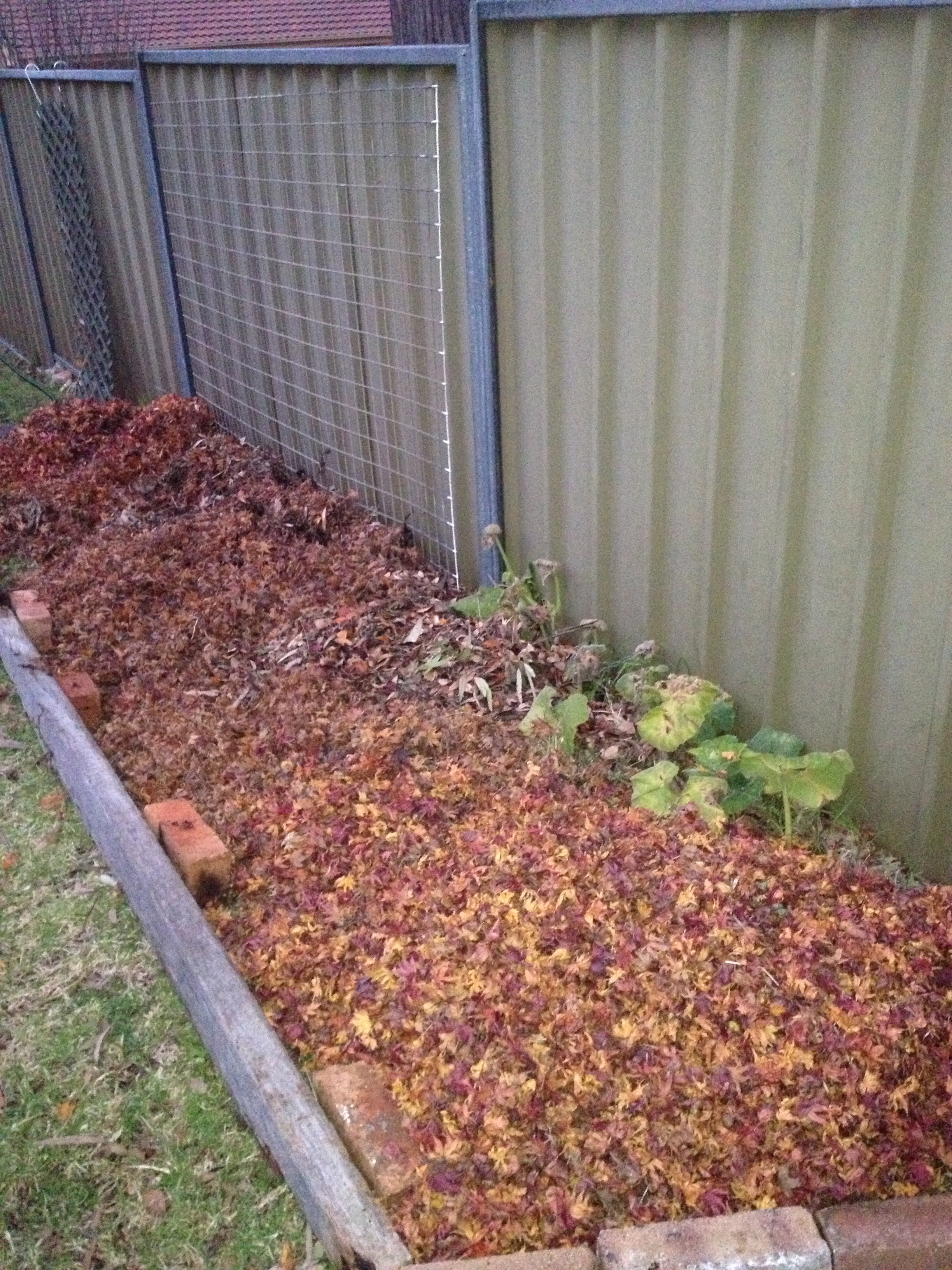
In an additional win, I used some of the old timbers to rebuild and enlarge the original pumpkin patch. Fuelled with success from my first Summer, I want to plant more pumpkins, zucchini and cucumbers. The first two take up so much space that I really don’t want to sacrifice in the veg beds, so this seemed like a great idea. The mesh wiring from the verandah makes a great climbing frame as well. It’s rewarding to be able to reuse materials where possible.
The extended pumpkin patch
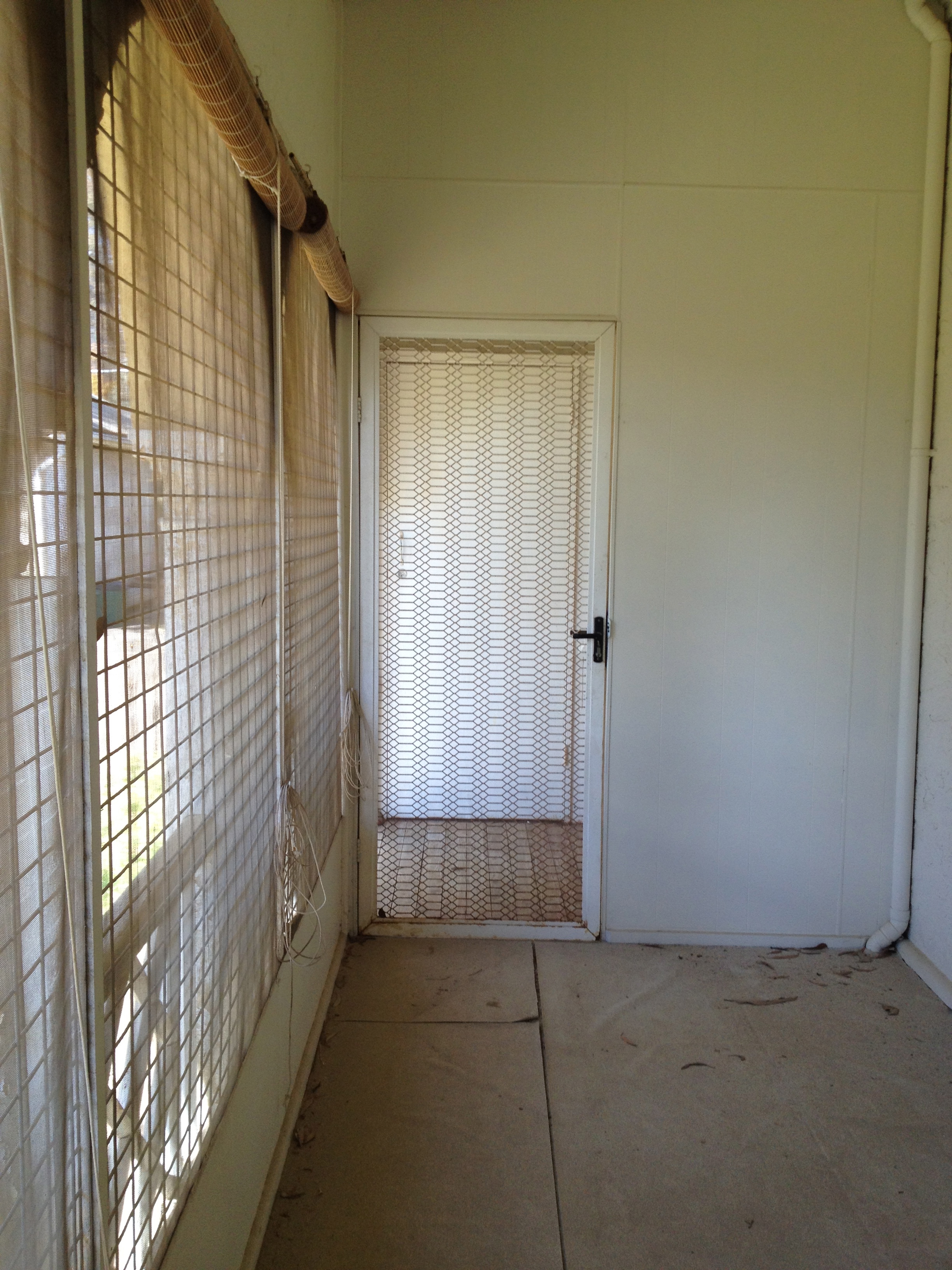
The other big advancement was the demolition of the enclosure for the back verandah, which gives me a lovely protected balcony/verandah/porch off the back bedroom and lounge with fantastic views. The original verandah was an eyesore, but this is even better than expected.
The painters will be starting within the next week with both the interior and exterior getting the attention it so badly deserves. Then come the floors …
A photo that showed so much. I haven’t seen this front porch up close before – it is now a sunroom. Also note the hedge to the left and bountiful bed of annuals.
The other week I spent some time at the wonderful Kandos Museum which is a treasure trove of Kandos social history, looking up old photos of the garden. The purpose was two-fold: both for personal interest given I’m restoring and creating the garden, as well as thinking that attendees for the Kandos Garden Fair would be interested in seeing the original photos when the Convent gardens are open for viewing in November.
The garden provided a backdrop for many school photos. The Convent had many locals captured on film a the front steps. Here we can see the formal garden bed which is well established. Also note the conifers framing the photo.
The visit paid off. The Museum has plenty of information and photos on the Convent over the years, however it was a little bittersweet as I realised how much of the beautiful gardens has been lost over the years.
The Good Samaritan nuns lived at the Convent from 1930 into the ’70s when the school closed. That was the hey-day for the gardens with obviously keen gardeners ably supported by locals and recruited school boys.
An early photo of a long-gone driveway and the beginnings of a hedge that was and no longer is.
The garden was considered an important part of the Convent with an original garden layout planned. Whilst the garden changed over the years whilst the nuns were in residence, it always featured formal hedges, many roses and abundant flower beds. I understand the nuns also grew their own veg which would have been in keeping with their humble and frugal practices.
I was surprised to see that there had been a substantial trimmed hedge down the left side of the house where I knew at one time there had been driveway access. Locals had told me before that the now rampant sky-high privet on the other side fence had also once been a neat and trim hedge.
I also found that there had been other formal garden beds within the front lawn and that a path had once run across the front of the house, with prolific flower beds.The formal circular garden bed at the front of the Convent had always been a showpiece – until the ’70s when the ‘bush rock’ garden was installed which has significantly damaged the concrete. At once stage the paths were all beautifully edged and roses sprawled along trellises.
Nuns at the front circular bed. Note the path capping which has now gone. I suspect all this concrete has been replaced given these cracks now don’t show. Also note the rose trellises in the background.
The photos fell off after the nuns departed in the ’70s and the building was used as a Presbytery for the resident Priest. With a single person living there, the gardens appear to have been adapted to low maintenance.
Whilst I don’t intend to reproduce the garden, it does give me some good ideas and inspiration. I’m endeavouring to restore the privet hedge along the right side, I’m certainly replanting the central circular garden bed as a feature, the front urns remain and are in use at the front steps and the Grotto will probably look better than ever. The roses which were once such a feature are going back in at an alarming rate.
Most likely taken in the ’80s with the ‘modernised’ bush rock central bed.
Gardens are always works in progress and this one is no exception. Just that there’s a lot of work which will take many years to come to fruition. The Convent is a patient building which I’m sure plans to be around for many more years to come and seems to be happily overseeing the efforts to date.
Another new aspect of the Convent for me. I can’t imagine plantings down the right side looking a the Convent today. I also think this shows part of the now dismantled old septic structure. Note the dramatic backdrop of the Coomber Mellon ranges.This photo did trigger some regret at what it was and could have been – seeing the old structured path and what appears to be garden paths running across the front of the building which are no longer there.
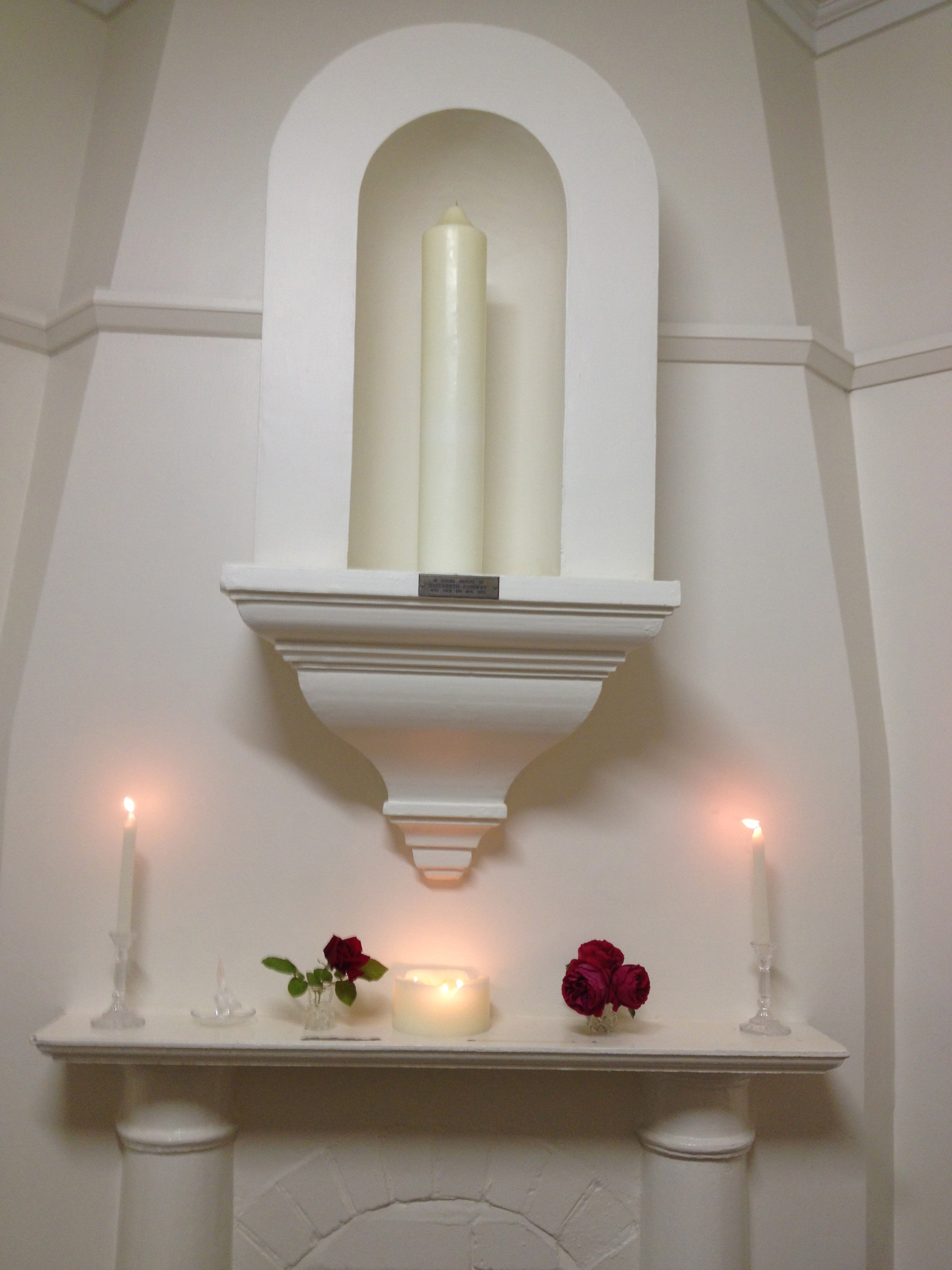
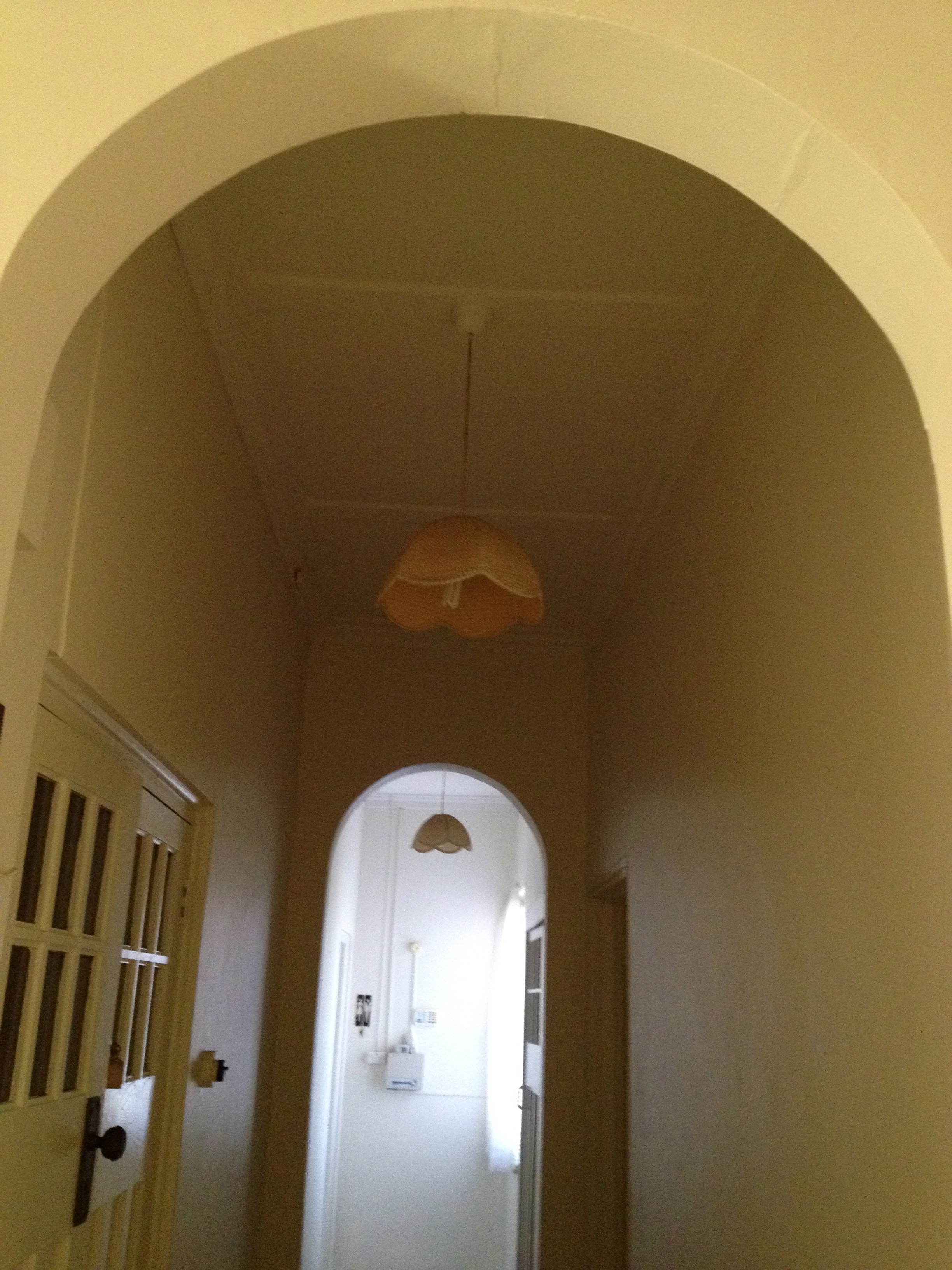
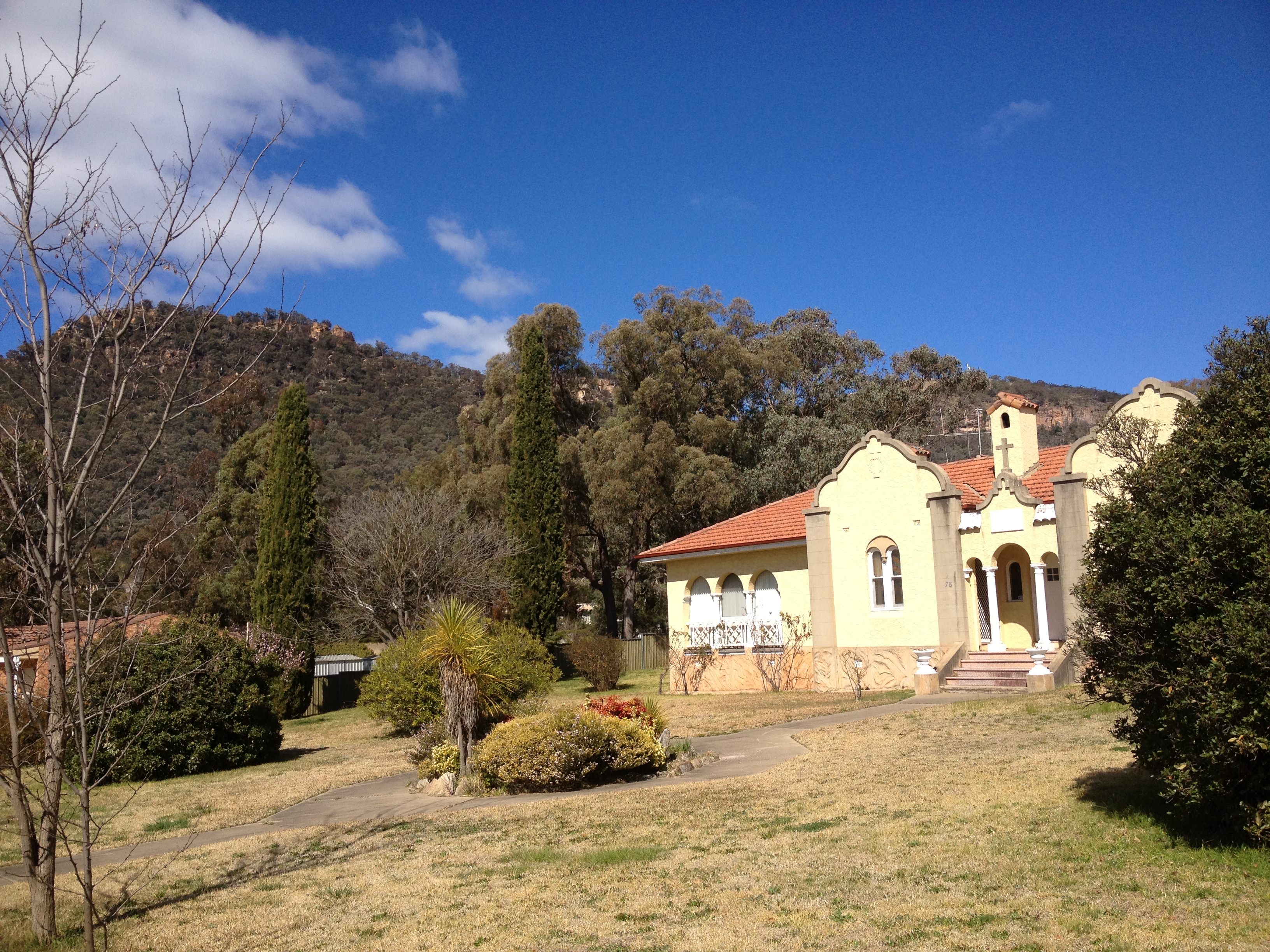
Much like me, the Convent is in need of some TLC. Whilst she is in good shape structurally (unlike me), there has been little care taken cosmetically over the years. She has beautiful arches, character windows, the niches and fireplaces, picture rails and of course, the Chapel with its lovely detailed stained glass and leadlight windows. However the paintwork is shabby and peeling, false fibro walls and cheap office type ceilings have been put in some rooms and every floorcovering imaginable has been used. There has also been little importance placed on comfort, let alone luxury. The fireplaces have been blocked off and for heating, there are two old wall heaters in rooms and no air conditioning. Old porches have been closed in (not by tradesmen, by the look of it) and some makeshift walls put in place.
One of the hallways
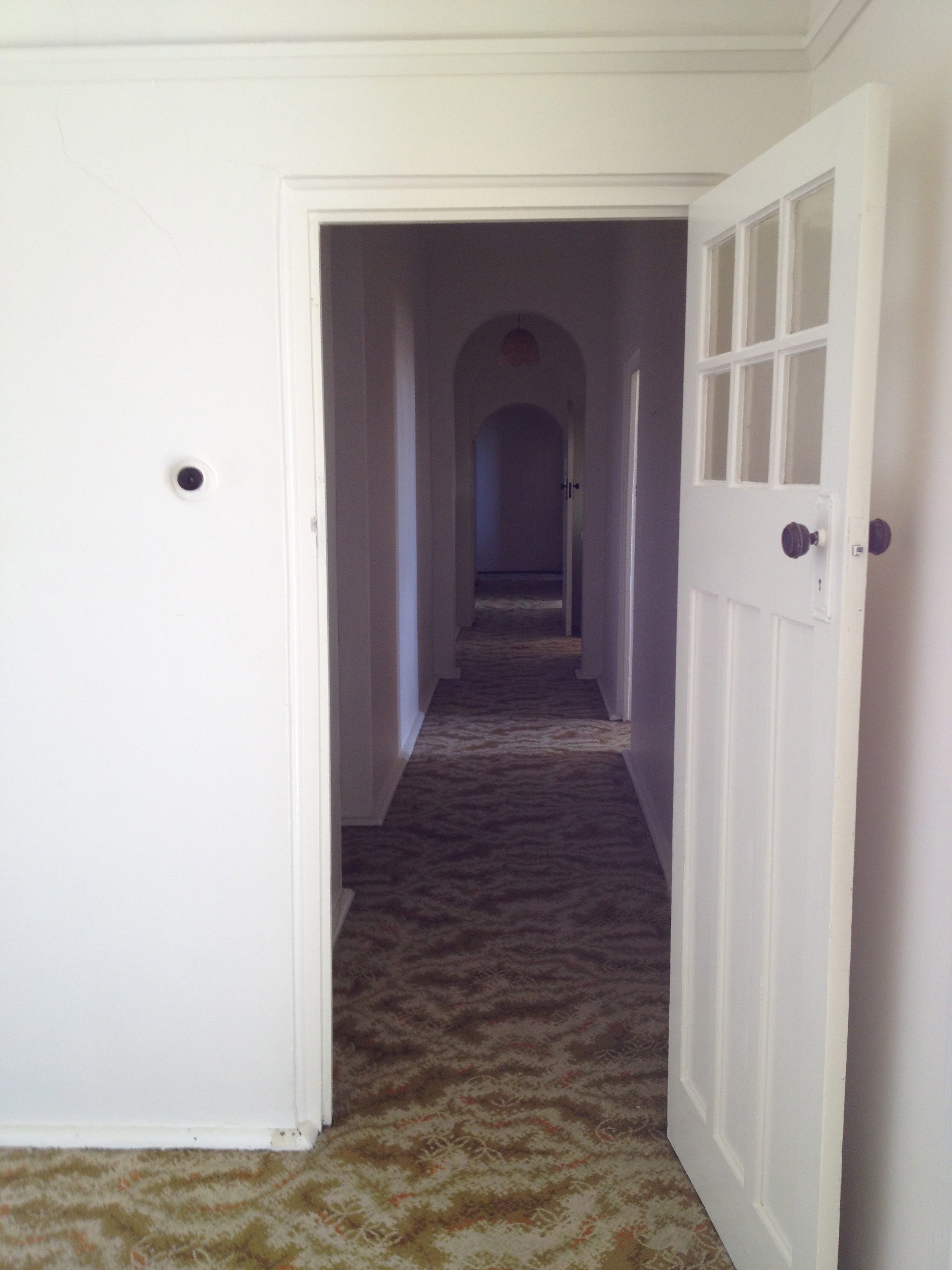
Now settlement has finally taken place, it’s time to get stuck into bringing the old girl back to her former glory. The building is best described as being a ‘U’ shape – with a long central hall and two wings. The left wing is the main back entry via the laundry, with the master bedroom with an ensuite and a large middle room which is destined to be my kitchen in the future. This hall goes through to the lounge room. The central hall accesses the dining room, the front foyer, the future kitchen, and 3 potential bedrooms and leads to the right wing which houses the chapel, the main bathroom and another bedroom. Given it was built as a Convent, there are up to 6 rooms which could be bedrooms. Some alterations have taken out walls and changed layout, for example the big old kitchen and dining room was changed to be the master bedroom and ensuite, providing a small separate living area when the priest moved in. There is an ensuite, two separate toilets and a bathroom which is in its original 1930 style.
There are a few small rooms like the sacristy and utility room and some of the bedrooms are not overly generous, but at the same time, there are heaps of rooms. There are many external doors although I think I’ve finally worked out the keys. Initially it is a bit of a rabbit warren until you work out the U shape and then it makes sense.
A small galley kitchen replaced the original kitchen out the back. A new kitchen will be relocated in another room.An enclosed porch – destined for removal
The bedrooms were called ‘cells’ and still have numbers over them. Some of the changes, such as partitioning off rooms, closing in fireplaces and dropping in false ceilings will be reversed as I get the place back closer to original condition. This work has already started in earnest and painting quotes for inside and out have been approved. Next will be sanding and polishing the floors (which I believe are tongue and groove cyprus pine and are currently covered in multiple layers of lino, underlay and carpet). Bedrooms will be carpeted for warmth.
There’s a lot to do, but the local tradies have been helpful and interested, so I’m hoping that by the end of quarter three most of the major work will be done.
The central hall from the lounge room
Until the painting and floors are done, I’m holding off furniture and currently ‘camping’ on an air bed, sitting on cane furniture that is destined for the porches and my dining table and chairs are a card table and vinyl fold up chairs from Bunnings – basic but fine for now.
The initial renovations of taking out the false arches and partitions have already made a great difference. I’m looking forward to the next stage, albeit somewhat daunting.
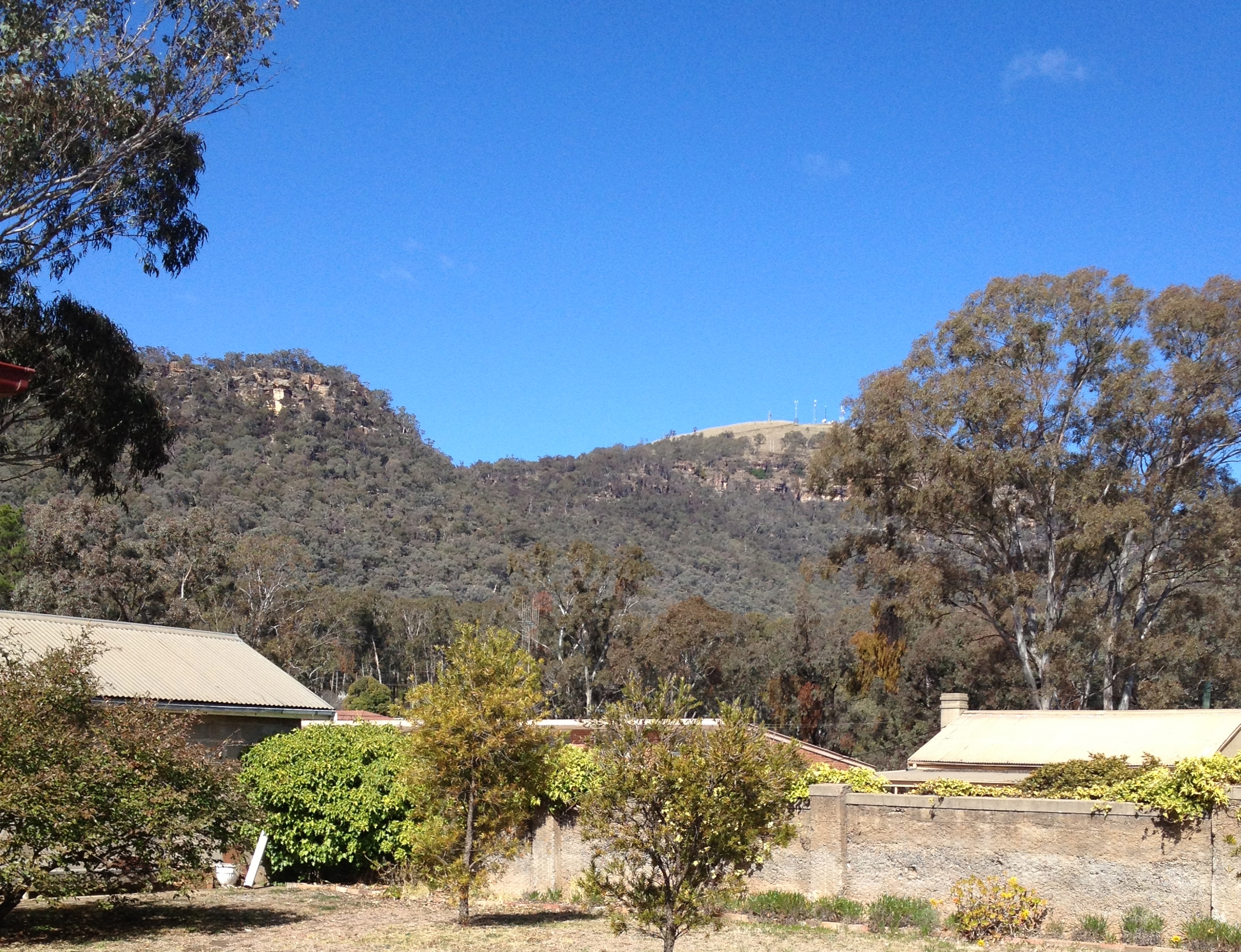
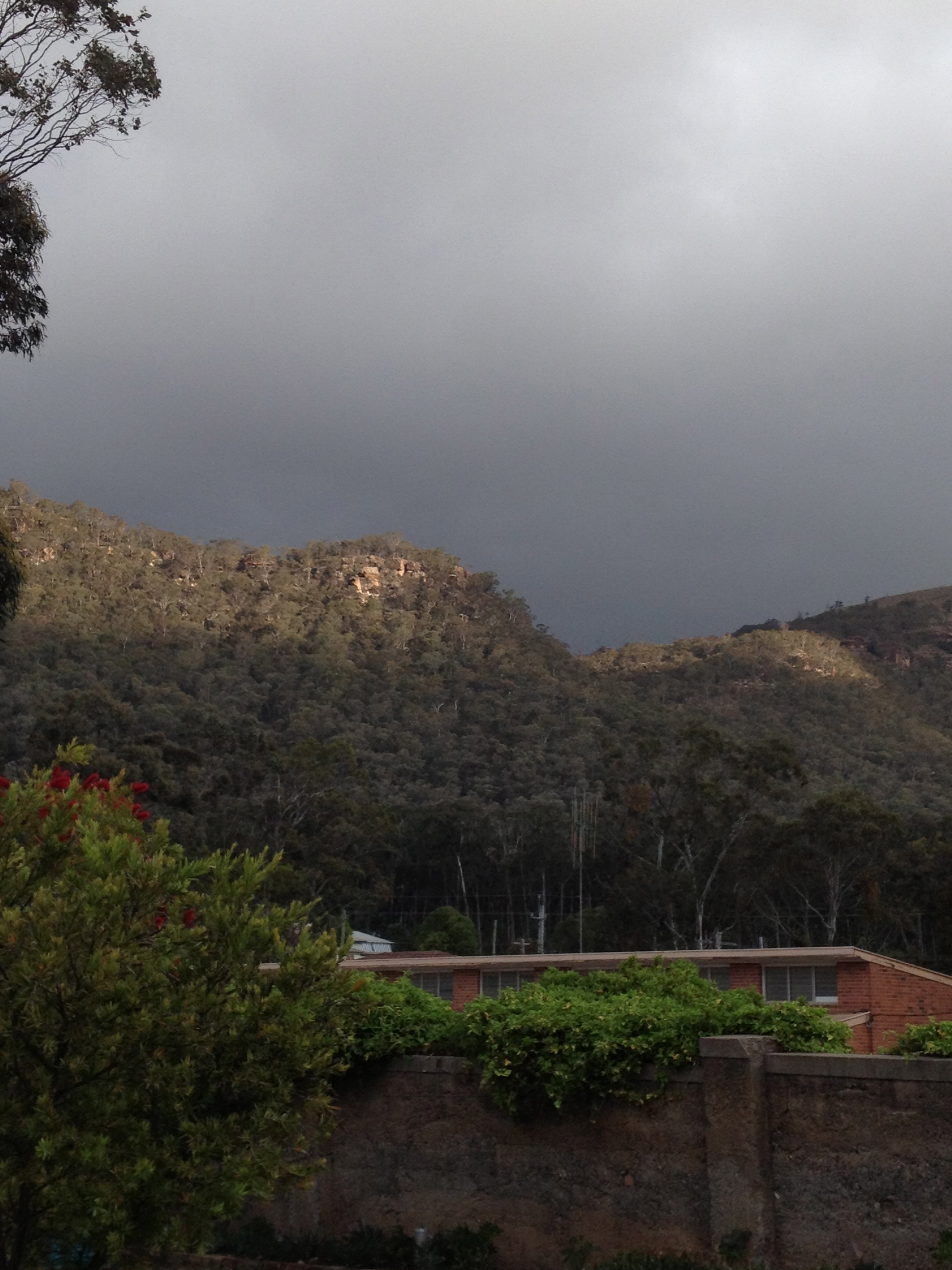
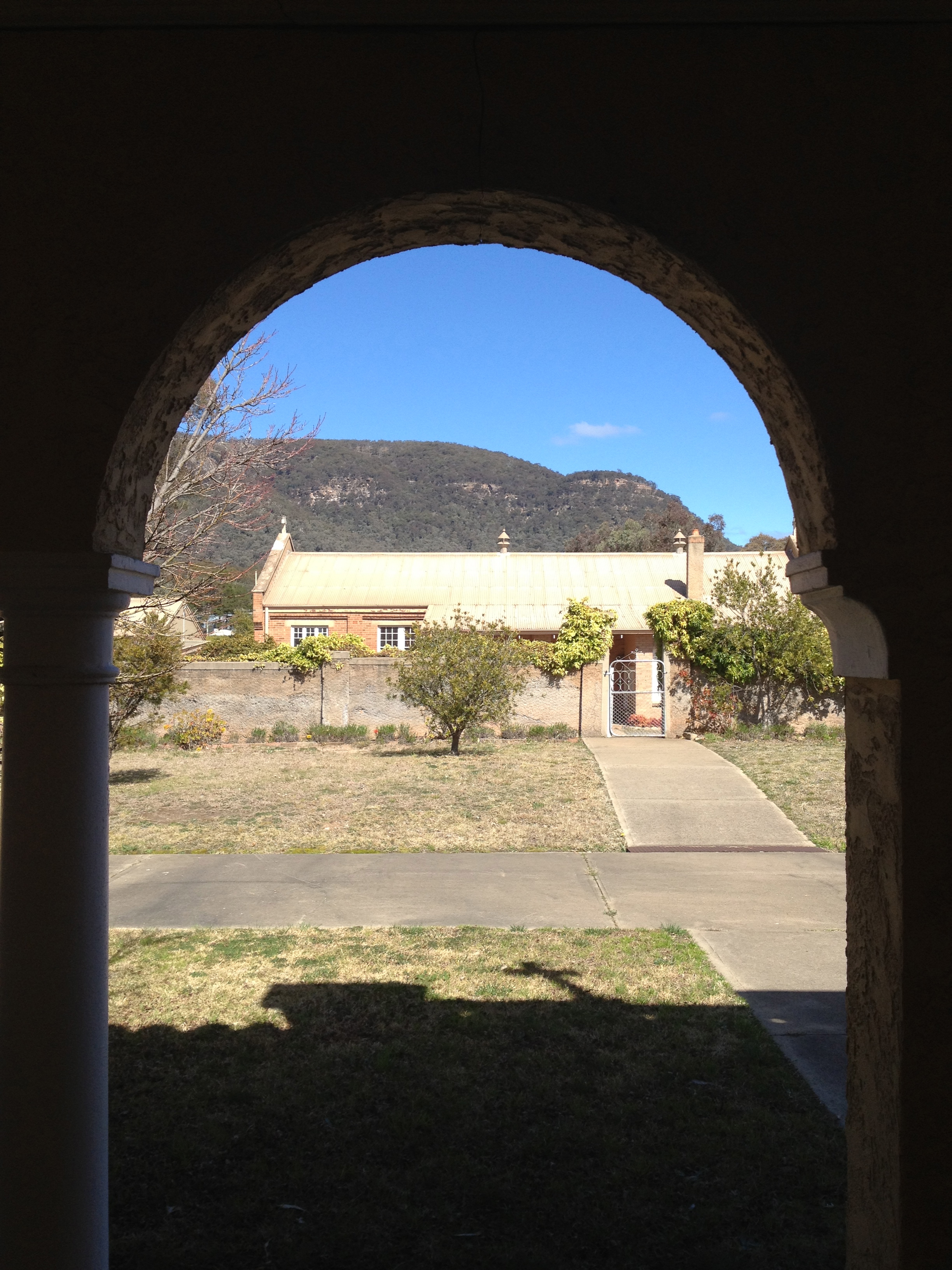
Kandos is a surprisingly beautiful town and often overlooked – most likely as a result of its humble origins as an industrial cement town. However from the back of the Convent, the beauty is often breathtaking and changes constantly.
One of the common challenges faced with veggie gardens is when veggies ripen, you have lots of that variety at once. Preserving or pickling comes in handy and can be fun to try different combinations. I haven’t pickled, jammed or preserved since my early days of being a perfect wife and prefer to do this with produce I’ve grown myself – somehow it feels more authentic. After watching “The Road”, I’m also mindful that come Zombie Day, it might be all we have to survive on. At least I’d have something to offer Viggo.
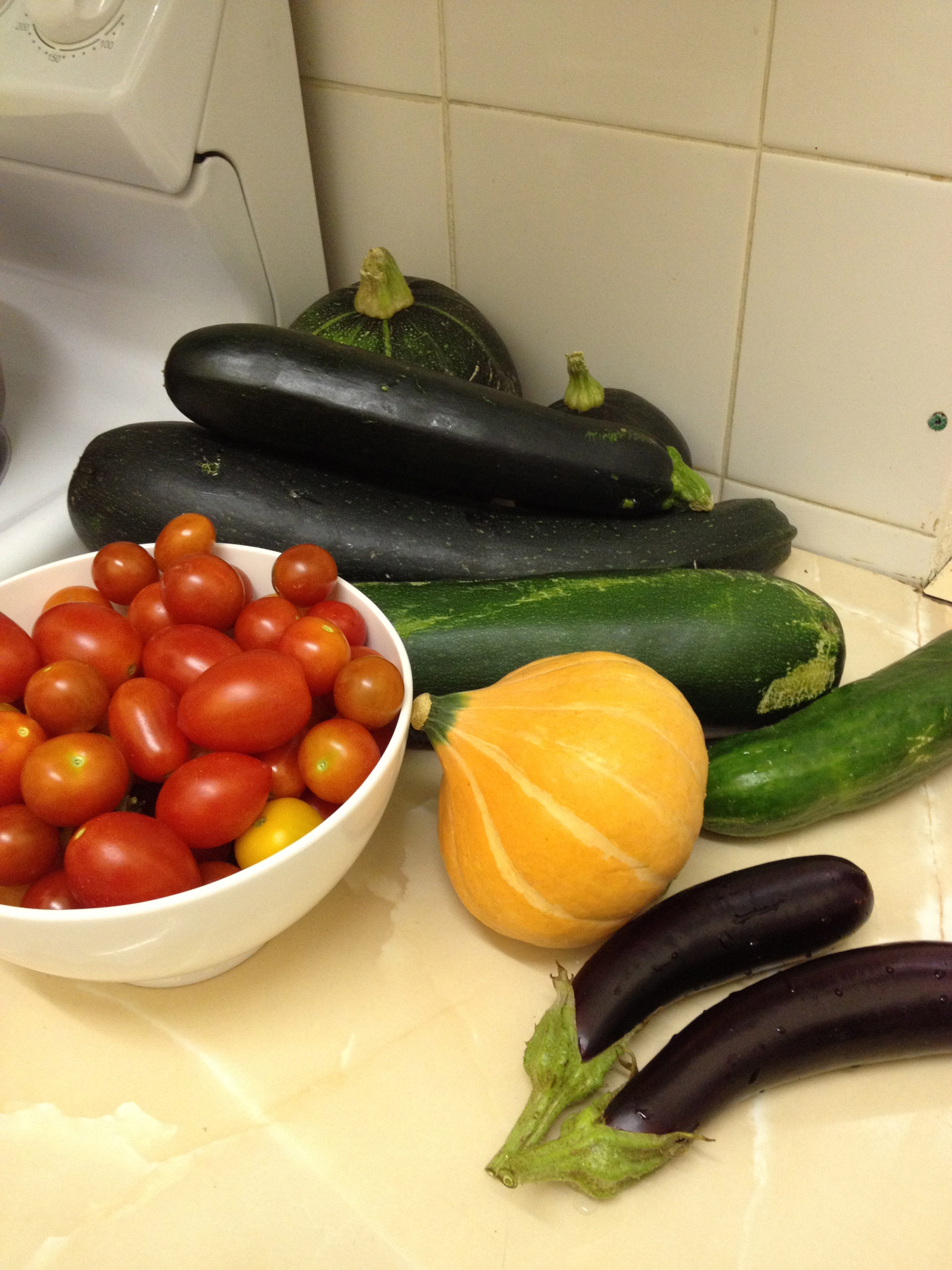
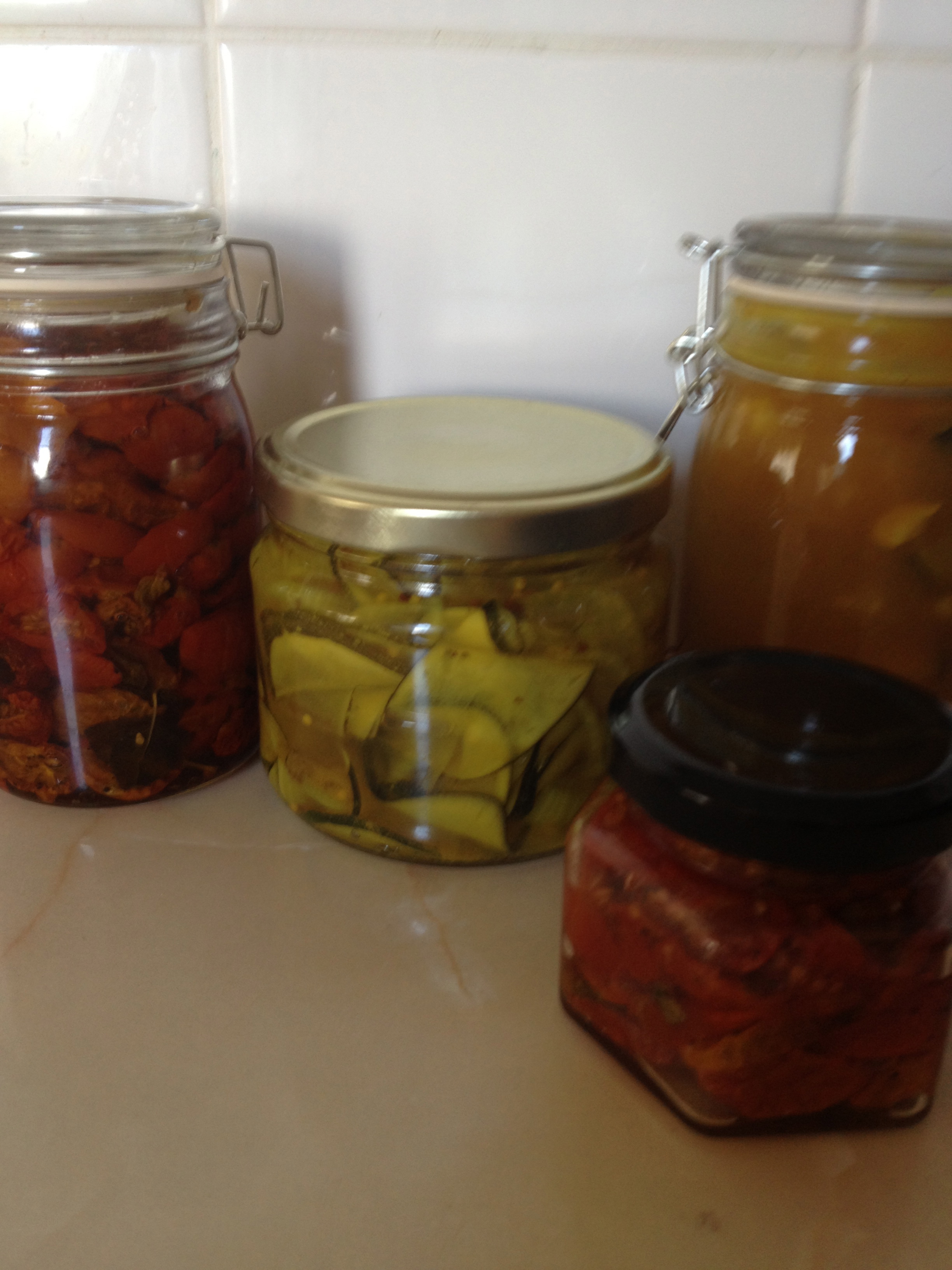
Faced with a mini glut (well, more than my immediate neighbours and I could eat), I had a surplus of zucchinis and tomatoes. The zukes turned into pickled zucchinis and zucchini pickle. There is a subtle difference – pickled zucchinis are in a spiced vinegar and zucchini pickle is more of a curry relish. I think the latter was not my finest moment and will pluck up the courage to try one day. Perhaps when we again win the meat tray at the RSL and score some corned silverside.
Mixed mini tomatoes
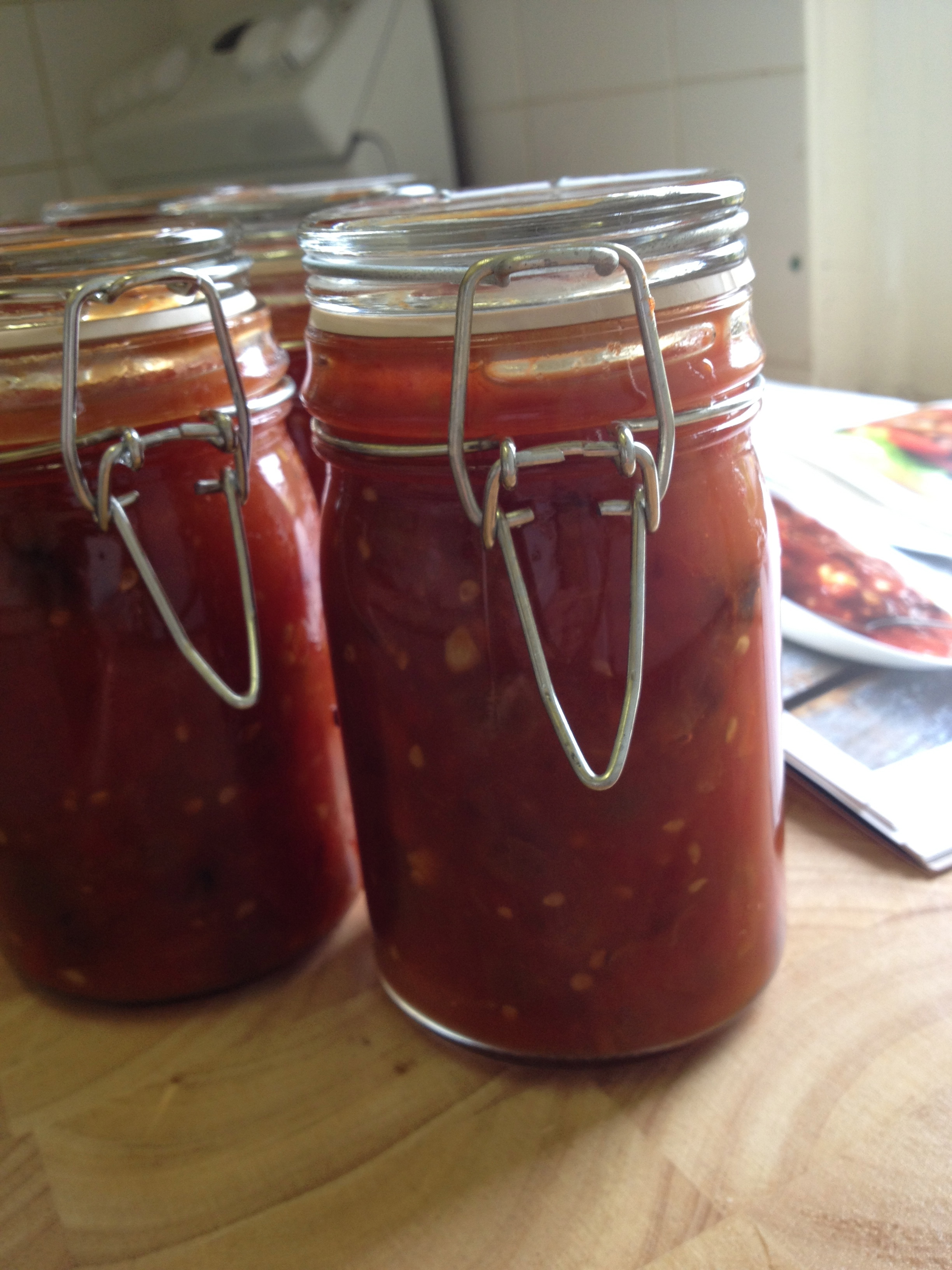
I grew lots of lovely mixed mini tomatoes – different shapes and colours – which worked well cooked as semi-dried tomatoes in the oven with home-grown basil. I’m tossing up whether to put a selection in the local Show. The larger tomatoes found their way into a pasta sauce.
Not how good they are, but they were fun and part of being a gardener/home producer.
................... for lovers of ice cream. Your free on line magazine for sweet frozen treats. Recipes, inspiration, artisanal ideas for your delectation.











 CONVENT AND CHAPEL