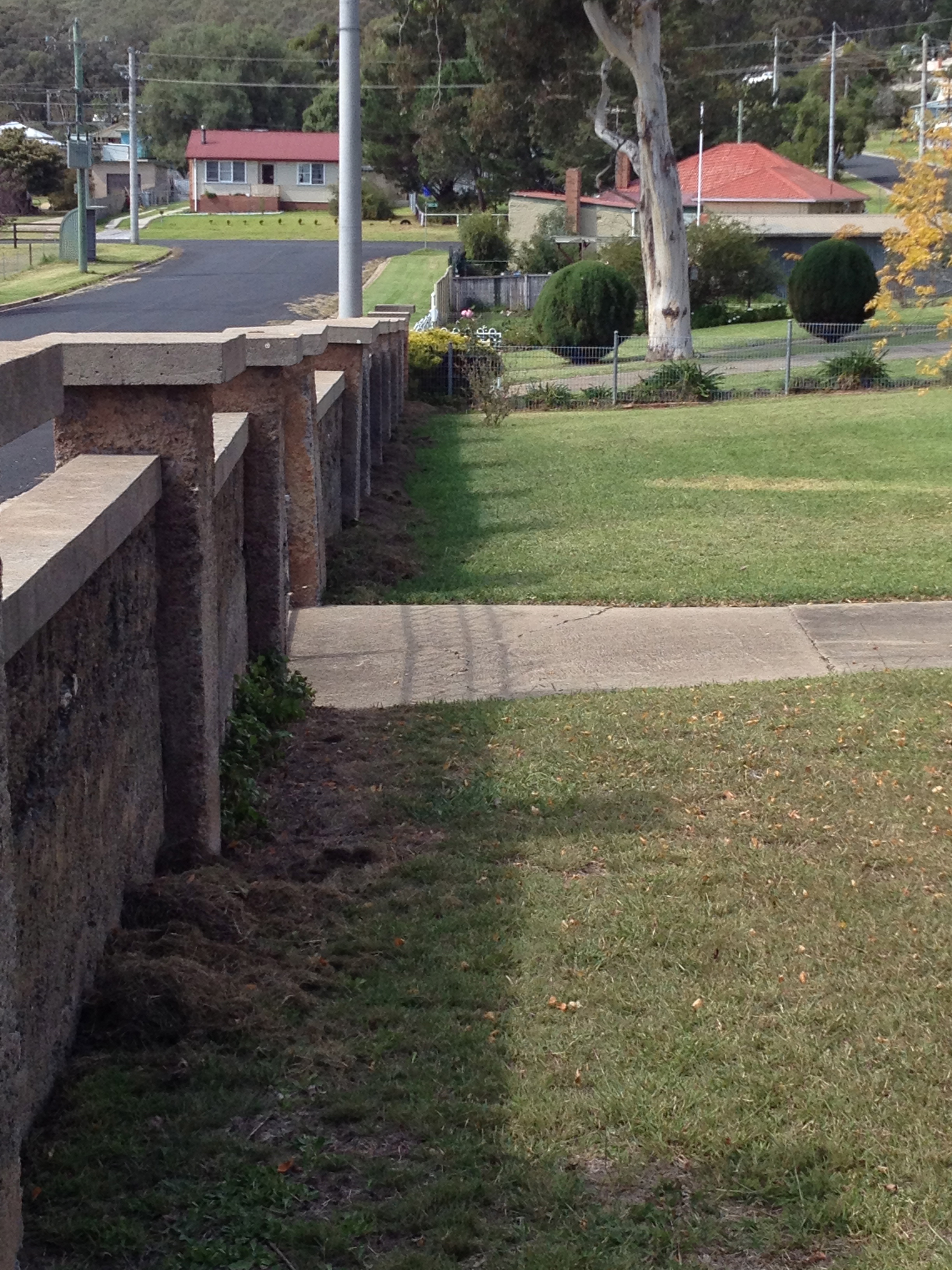
The Front Wall

IMG_0871

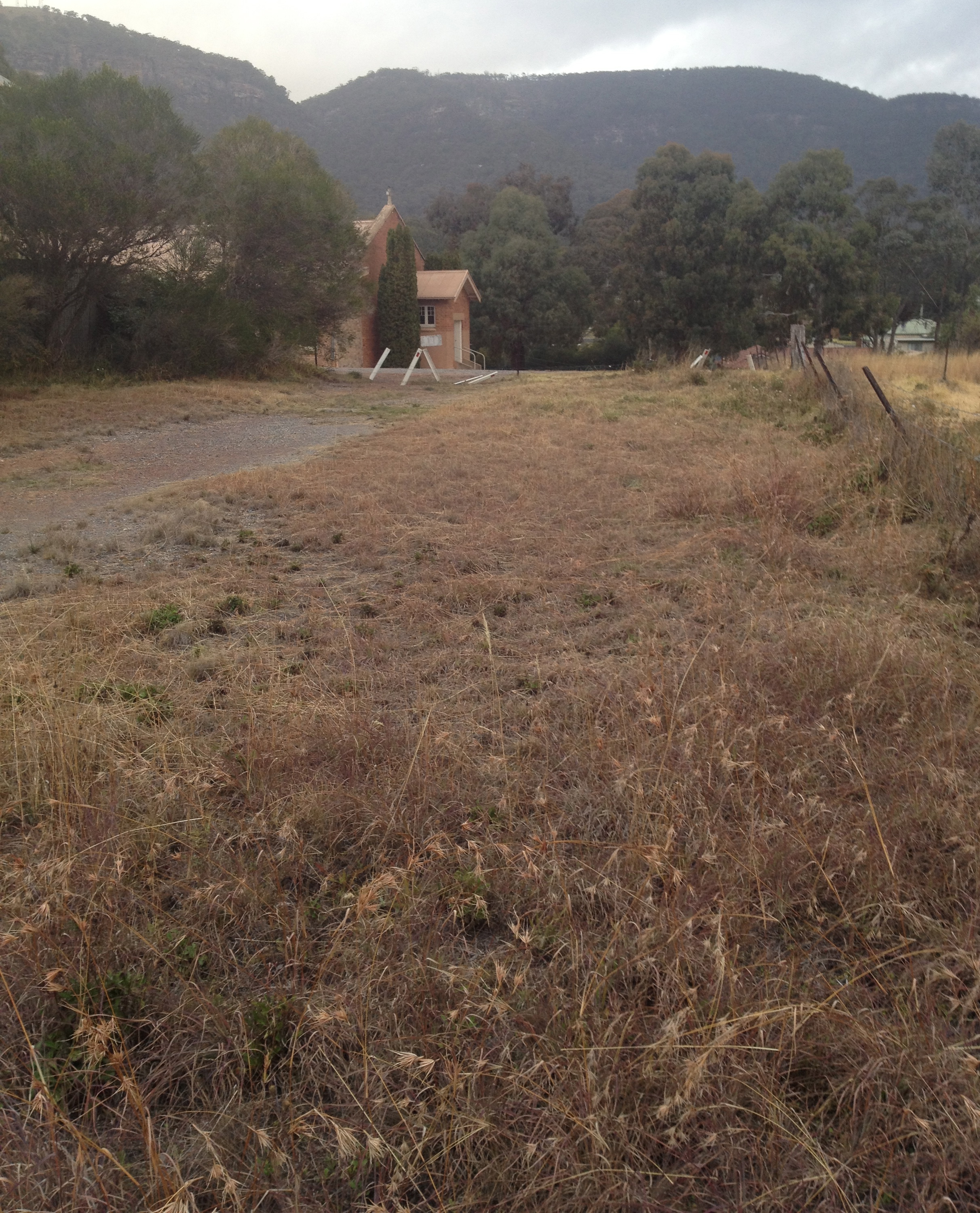
So far I haven’t been able to tell if there were ever any garden beds against the front wall which is an ash brick fence, quite common in this area. A past resident, Father Peter, said there used to be a hedge and will try and find some photos for me.

For now, there are no plantings at all along the wall – the grass runs right up to the brickwork which accentuates the bareness of the block. My plan is to have a deep bed running along the wall with some sweeps of beds emerging so it doesn’t look like a harsh straight line. The wall provides some shading and protection which hopefully means I can grow some of my favourites like camellias, azaleas and gardenias which I plan to mix in with ornamental weeping maples and cherry trees for height. I’m looking at filling in mid height with plants such as salvias for lots of colour and attracting birds, then adding in lots of perennials – and lets not forget heaps of herbs and masses of roses, including old fashioned ramblers.

My initial impression was that the soil near the wall was rock hard and I needed to build it up with digging, newspaper, layers of mulch, followed by compost over perhaps a 6 – 8 month period. However after some rainfall the past few weeks, I was happily surprised over the weekend when I experimented to find that the soil was relatively easy to dig and appeared to be good quality with plenty of cheery and healthy worms. This should significantly cut down on work and speed up the establishment of the beds. Fired up with this discovery, I promptly planted two white Azaleas either side of the front gate.

In the past with the few gardens I’ve had (I change properties rarely), the task was much less daunting – it was just a matter of improving the basics of what was already established. In this case it is much more a challenge of creating much of the garden from a blank canvas – and it’s a big garden. This means a bit more discipline and thought than required in the past. In the meantime, I’m falling back to my usual pattern- just buying what I like, putting it in and then working the beds out from there. Other than the gate Azaleas, so far I have 2 Lilacs, a transplanted Elderberry (what a mistake to think this would work in the veggie bed!), and another Azalea. A rambling rose, a Rhododendron and 2 Camellias await in pots for their next home. Oh, and a few more plants have been ordered from Diggers, including an Albertine Rose.

Nuns and the Original Garden

A photo that showed so much. I haven't seen this front porch up close before - it is now a sunroom. Also note the hedge to the left and bountiful bed of annuals.
A photo that showed so much. I haven’t seen this front porch up close before – it is now a sunroom. Also note the hedge to the left and bountiful bed of annuals.

The other week I spent some time at the wonderful Kandos Museum which is a treasure trove of Kandos social history, looking up old photos of the garden. The purpose was two-fold: both for personal interest given I’m restoring and creating the garden, as well as thinking that attendees for the Kandos Garden Fair would be interested in seeing the original photos when the Convent gardens are open for viewing in November.

The garden provided a backdrop for many school photos. The Convent had many locals captured on film a the front steps. Here we can see the formal garden bed which is well established.
The garden provided a backdrop for many school photos. The Convent had many locals captured on film a the front steps. Here we can see the formal garden bed which is well established. Also note the conifers framing the photo.

The visit paid off. The Museum has plenty of information and photos on the Convent over the years, however it was a little bittersweet as I realised how much of the beautiful gardens has been lost over the years.

The Good Samaritan nuns lived at the Convent from 1930 into the ’70s when the school closed. That was the hey-day for the gardens with obviously keen gardeners ably supported by locals and recruited school boys.

driveway
An early photo of a long-gone driveway and the beginnings of a hedge that was and no longer is.

The garden was considered an important part of the Convent with an original garden layout planned. Whilst the garden changed over the years whilst the nuns were in residence, it always featured formal hedges, many roses and abundant flower beds. I understand the nuns also grew their own veg which would have been in keeping with their humble and frugal practices.

I was surprised to see that there had been a substantial trimmed hedge down the left side of the house where I knew at one time there had been driveway access. Locals had told me before that the now rampant sky-high privet on the other side fence had also once been a neat and trim hedge.

I also found that there had been other formal garden beds within the front lawn and that a path had once run across the front of the house, with prolific flower beds.The formal circular garden bed at the front of the Convent had always been a showpiece – until the ’70s when the ‘bush rock’ garden was installed which has significantly damaged the concrete. At once stage the paths were all beautifully edged and roses sprawled along trellises.

Nuns at the front circular bed in the early '70s. Note the capping around the paths which has now gone. I suspect all this concrete has gone and my paths are new given these cracks now don't show.
Nuns at the front circular bed. Note the path capping which has now gone. I suspect all this concrete has been replaced given these cracks now don’t show. Also note the rose trellises in the background.

The photos fell off after the nuns departed in the ’70s and the building was used as a Presbytery for the resident Priest. With a single person living there, the gardens appear to have been adapted to low maintenance.

Whilst I don’t intend to reproduce the garden, it does give me some good ideas and inspiration. I’m endeavouring to restore the privet hedge along the right side, I’m certainly replanting the central circular garden bed as a feature, the front urns remain and are in use  at the front steps and the Grotto will probably look better than ever. The roses which were once such a feature are going back  in at an alarming rate.

Most likely taken in the '80s with the 'modernised' bush rock central bed.
Most likely taken in the ’80s with the ‘modernised’ bush rock central bed.

Gardens are always works in progress and this one is no exception. Just that there’s a lot of work which will take many years to come to fruition. The Convent is a patient building which I’m sure plans to be around for many more years to come and seems to be happily overseeing the efforts to date.

Another new aspect of the Convent for me. I can't imagine plantings down the right side looking a the Convent today. I also think this shows part of the now dismantled old septic structure.
Another new aspect of the Convent for me. I can’t imagine plantings down the right side looking a the Convent today. I also think this shows part of the now dismantled old septic structure.
Note the dramatic backdrop of the Coomber Mellon ranges.
This photo did trigger some regret at what it was and could have been - seeing the old structured path and what appears to be garden paths running across the front of the building which are no longer there.
This photo did trigger some regret at what it was and could have been – seeing the old structured path and what appears to be garden paths running across the front of the building which are no longer there.

A Productive Weekend

From this
From this …
... to this in a weekend
… to this in a weekend

Whilst the garden is in reasonable condition whilst waiting to get through Winter and the plants are becoming dormant, I’m still surprised at how much I’m finding to do outdoors.

This trip I’ve:

  • Planted a Judas Tree out the front. The front yard still needs a few more substantial plantings to fill it out and I couldn’t go past this name. It’s also a beautiful flowering ornamental tree
  • Planted more bulbs – this time around the newly planted trees. Mainly pretty little Snowflakes
  • Added another Tumbler Compost Bin to the garden collateral, which I put together myself and have already filled with the Maple leaves that went from full red to fully dropped over the weekend
  • Build a garden bed in what was originally a troublesome bare rock-hard area of the garden off the Chapel porch. The jury is still out on this one, but in general I’m pleased with how this area is progressing. The bed contains Pentestemon and Heartsease (a personal favourite)
  • Planted Autumn White Crocuses in the central front garden bed
  • Weed sprayed the Ivy that was beginning to peek through again at the Grotto
  • Dean mowed the lawn which should now stay in reasonable shape through Winter
  • Visited the local Museum to get photos of the original Convent garden.

The garden in earlier days
In grander gardening days

This latter point was a bit disappointing as I found that the Convent used to have beautiful garden paths with edging as well as well trimmed hedges and garden beds that have all disappeared. It was particularly hard to see how beautiful the central garden bed once was – considering the concrete is so badly damaged around the edges from where they were broken to wedge in the bush rock (which I have now removed).

The local Museum is well worth a visit – housing the social history of the town, which is unusual in that it is a 20th century industrial town. As another Spanish Mission (ex-Church) building, it is considered a sister building to the Convent.

All-in-all a good weekend as I now prepare for the work to begin in earnest on the inside. The painters are planning to start in the next two weeks with floors to follow afterwards.

Our sister building - the Kandos Museum
Our sister building – the Kandos Museum

Harvesting Success

Mini mini carrots that hopefully will be multicoloured when mature

The veggie beds are just starting to become established with the beginnings of some produce emerging. This is incredibly rewarding for a novice veggie gardener. I’ve never seen some of these plants growing before so it’s highly educational and ridiculously exciting.

As I feared, the beds are way too over planted, so today I started to thin plants out,  particularly those that I had sewn by seed. The Harlequin carrots were growing very thickly and those I pulled out had already started to shoot the baby carrots, which look so perfect as micro mini veg. These look hopeful for a good crop.

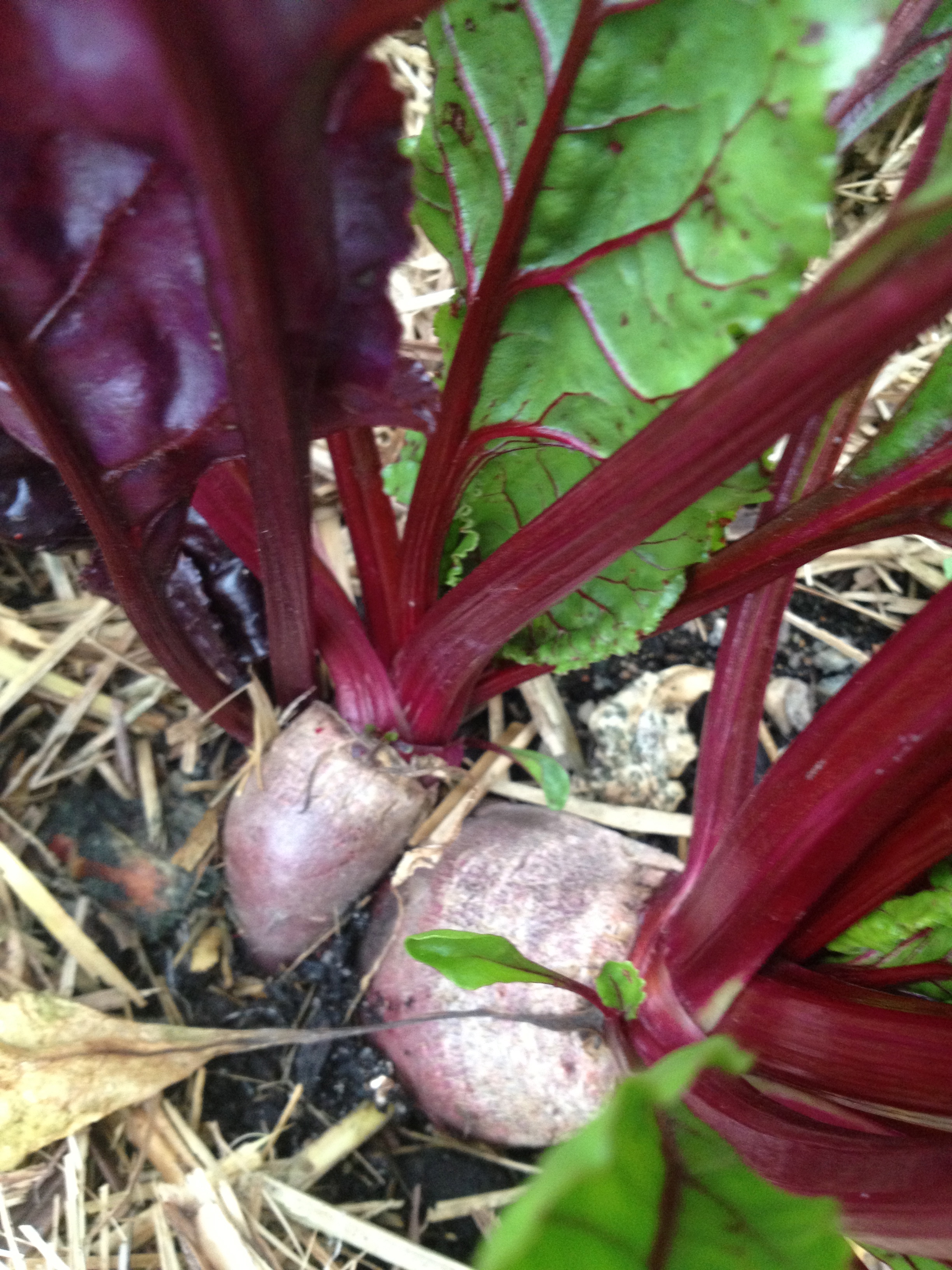
Beetroot - so exciting to see how developed it is
Beetroot – so exciting to see how developed it is

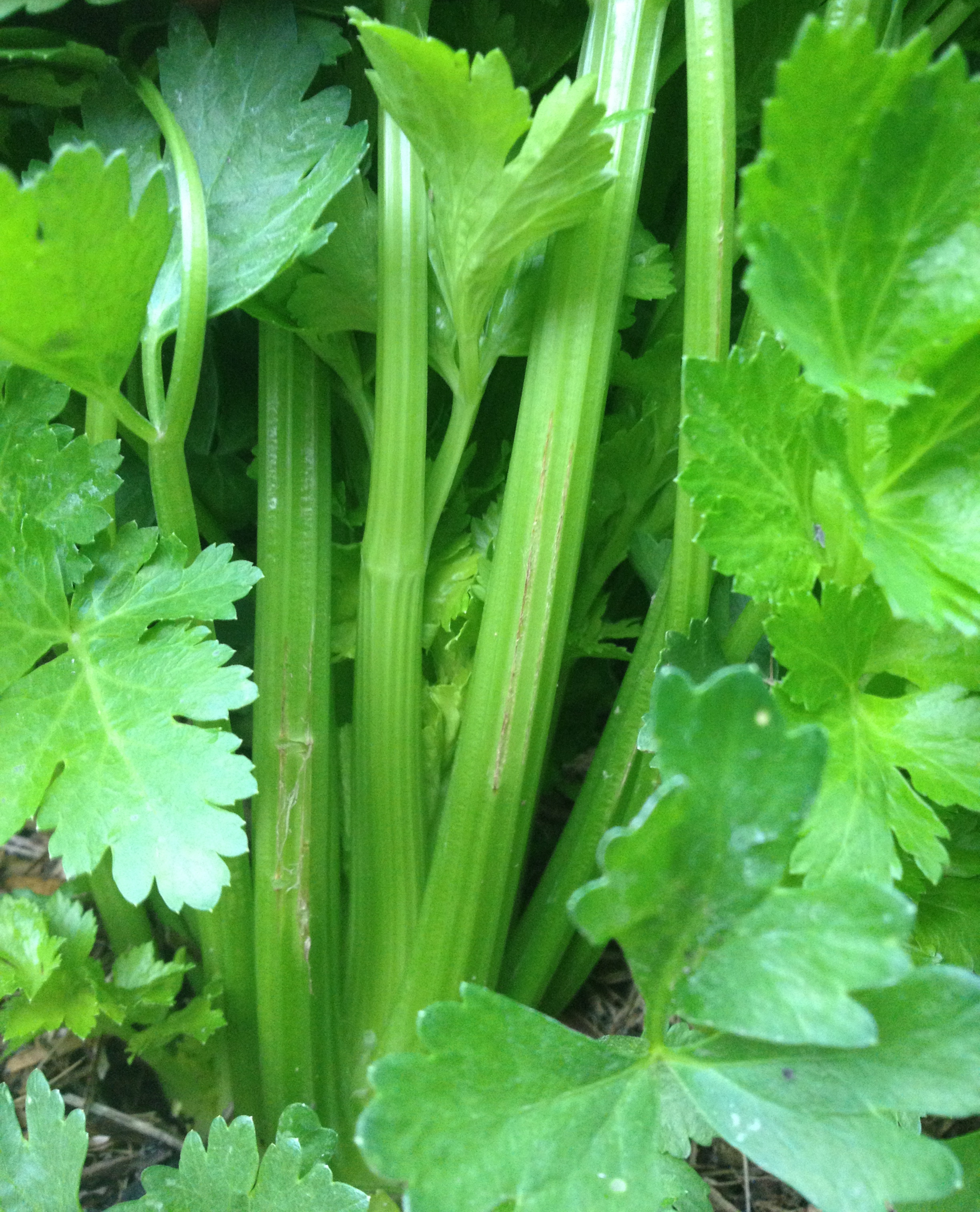
I discovered the Beetroot bulbs (?) whilst removing yellowing leaves. I’ve already eaten some Broccoli (which goes to seed frighteningly fast). And the Celery looks great. I’m hoping this will stand me in good stead for soups and casseroles for Winter – I’m just not sure whether I should have staggered the planting or if it will last for some time.

There have been a few failures along the way. I discovered the green grubs were back with a vengeance today and have done considerable damage to a number of crops. I’ve removed heaps of them and am now a little reluctant to spray given how thick all the growth is. I know now what the frost can do (and we’re not even into Winter). The Baby and Bantam Corn just managed to peek above the straw mulch, before being totally burnt by the frost. And the Beans are all beginning to show signs of damage as well – the Snake Climbers were destroyed very early in their life. However the root veg – turnips, swede and parsnip all look fantastic. The English Spinach is going well and Spinach seeds have been planted over the failed Corn kernel seeds. The mini Caulis are also starting to sprout and look very healthy. I’ve been told root veg as well as some of the leafy crops like broccoli, caulis and cabbage should all do well in the cold.

Last night I had some lightly blanched Kale with soy sauce and sesame seed oil dressing with my meal. Tonight I will be using some Capsicum and masses of Italian Parsley in a pasta dish. I’m now at a point where I can try to organise meals around what’s available in the garden. It doesn’t get much better than that.

The Celery just needs another week or two before I can start picking

Maples Afire

IMG_1044

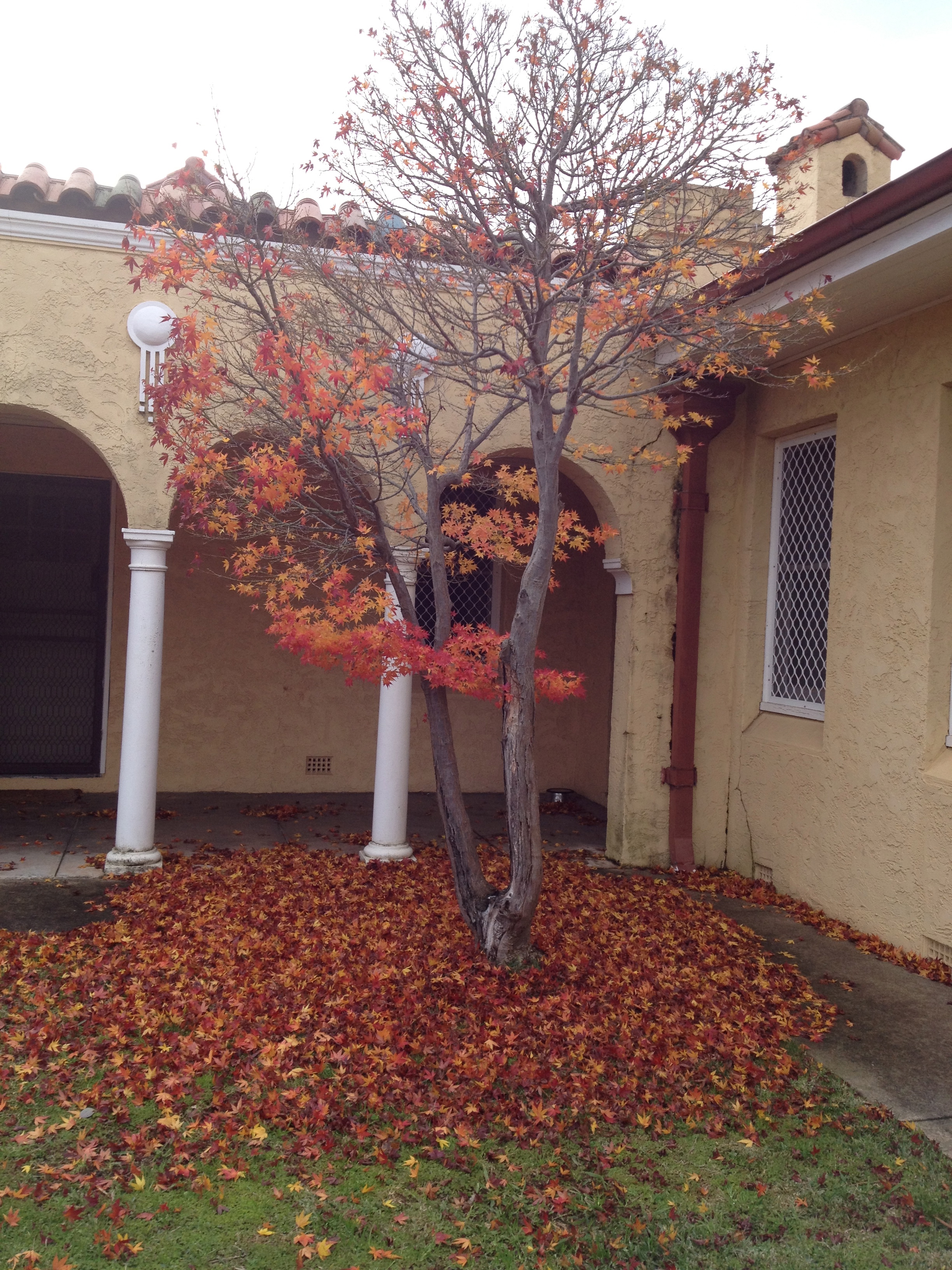
When I first saw the Convent, I didn’t even realise these trees were Maples. They added so much to the back aspect during summer with their thick green leaves providing a welcome shade canopy during the harsh heat.

I’ve been delighted and surprised with their transformation in Autumn. I’ve never seen leaves quite so vivid. The photos don’t do justice to just how vibrant the colour is – it looks as though they are actually lit up.

IMG_1036

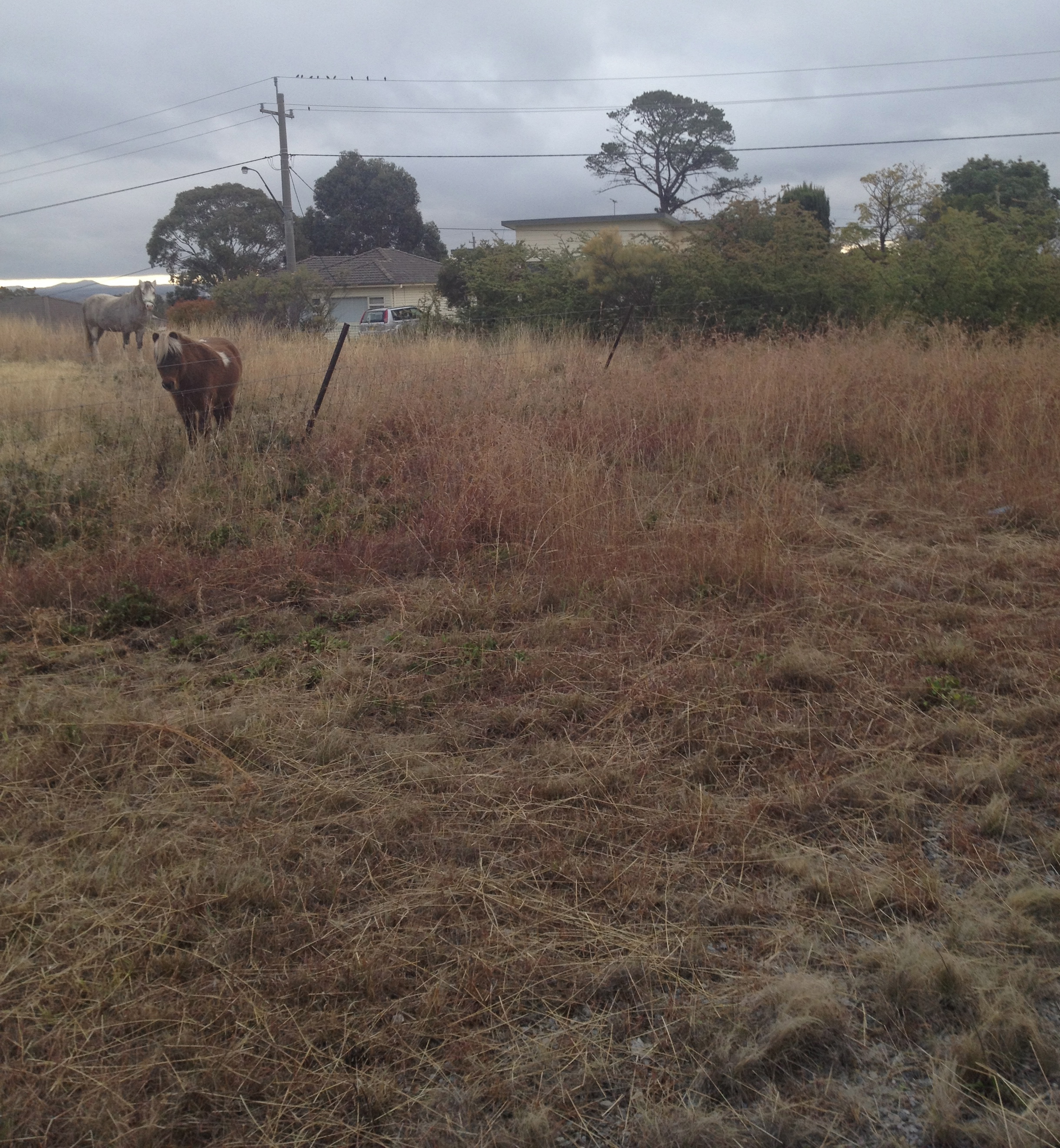
The Block Next Door

IMG_1031
You can see my whippersnipper efforts to clear the weeds

When I bought the Convent I knew the boundaries were out of alignment – like seriously out. When looking for a country property I also envisaged an expansive garden, veggie beds, chooks and an orchard. Whilst I had the potential for most of this, the only way I had of achieving an orchard was to use limited grounds of the Convent for fruit trees, which would limit the garden area.

The issue of the boundary (which was most definitely not in the Convent’s favour) was fortunately easily resolved by my neighbour who owns a number of vacant blocks next door and was happy to part with the one next to the Convent. This also means that I now get my orchard. It also has a few extra advantages such as I can adapt the privet hedge, remove the old galvanised iron fencing and get a view over the township (and benefit from the beautiful sunsets).

I think it will be a while before I can make good use of the block but it greatly improves the aspect of the Convent and what I can do with the land, albeit the block is nowhere near the quality of soil of the Convent, having never been planted or cultivated.

Over the next year of two I will be having the block resurveyed, fenced, cleared (just some old scrawny tumbled Melalucas near the fence) and dug up (back hoe’d??) as well as topped up with decent soil before planting. I think a great deal of mulching and composting will be in order. It should result in an extension of the garden, separately fenced but with gate access, of a park-like orchard and ornamental tree sanctuary. Who knows, maybe a goat or some sheep might find their way in there. One of the locals was tempting me to keep some ducks…

The view out back - on a cold day, with much more cold to come
The view out back – on a cold day, with much more cold to come

Jack Frost has arrived

Crunchy underfoot
Crunchy underfoot

I’ve been wondering about why the locals keep warning me about the frost until this morning. I was thinking it was just dew – you know, in the morning when everything is covered with a frosty, white-looking dew. Wrong! Frost here is “ice”.

Icy Kale just starting to defrost

I went out this morning when the sun was already well and truly out to find frost across many parts of the garden. It’s not just icy, it’s actually frozen. The white tipped grass crunched under my feet and the leaves had actually frozen. My veggie beds were a great example where all the individual leaves actually looked and touched as if they were flash frozen. No wonder so many of the smaller more tender plants don’t survive. The photos don’t do the frost justice as it was already starting to melt when I went out. I’ll have to get up earlier next time.

That said, it also had a magical feel to it like a Winter Wonderland without snow. What a contrast to the harsh dry relenting sun over summer. I’m loving seeing the seasons change here. At present Autumn is best heralded by the two beautiful Maples out near the back verandah which make the terracotta coloured roof tiles look dull by comparison and set themselves off beautifully against the ochre building. The Maples are just starting to drop their leaves, but most other trees in Kandos are now bare, including the Poplars lining the avenue into the town.

I’m enjoying seeing such obvious seasons pass out here and the changes to the landscape and my garden. Hopefully I will feel the same about Winter.

One of the twin Maples at its best

Stressing Out the Citrus

IMG_0994

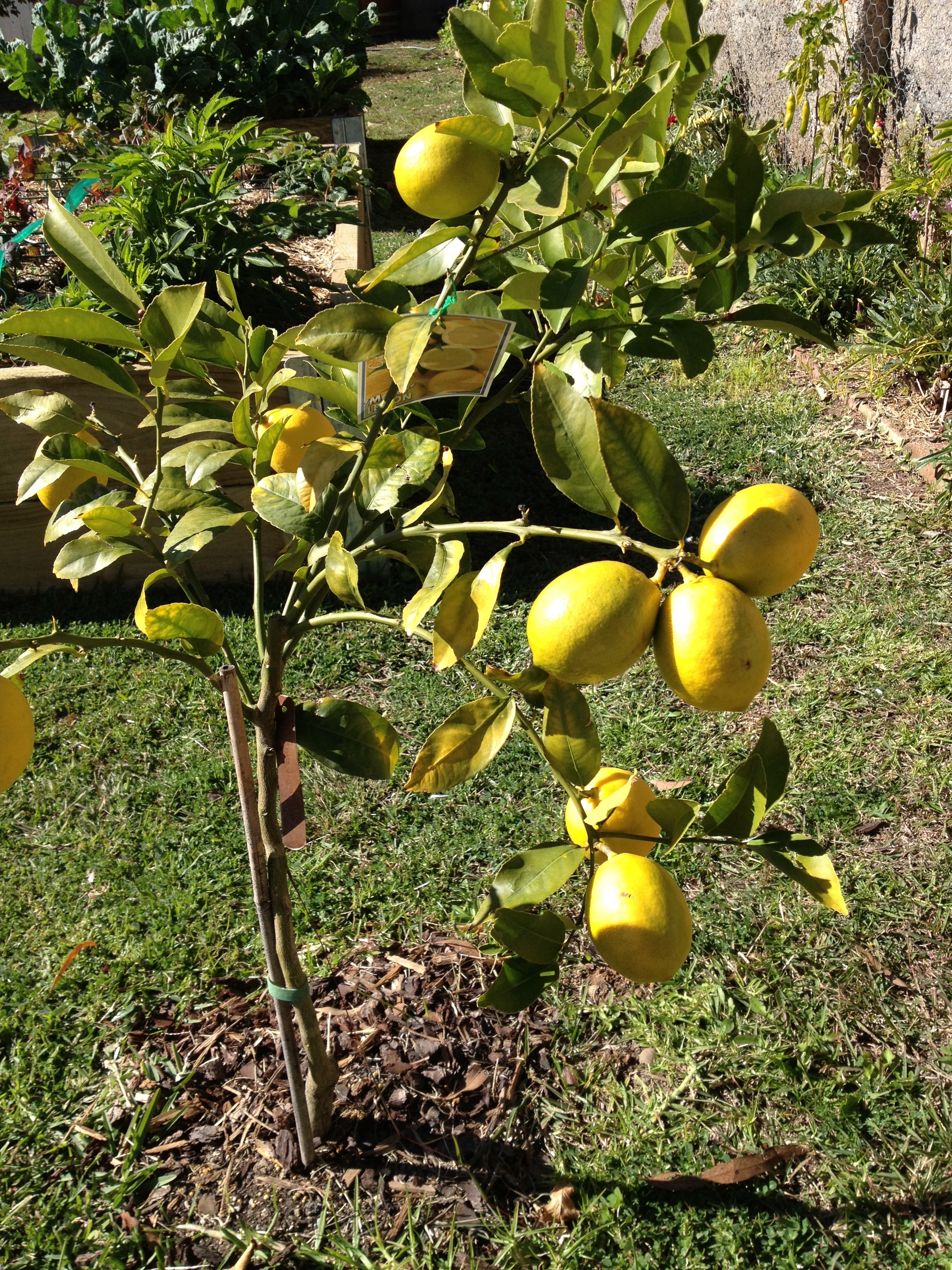
The Convent is intended as a place of relaxation and contemplation so I felt embarrassed and guilty when told my citrus was “stressed”. This was because the leaves are turning yellow, although I’ve already battled spotty leaves, some type of microbug and a Lime covered in disgusting spitfires which practically ate every leaf before I found them. This is not boding well for a future orchard with someone who has never grown fruit before.

Anyway, first step was to remove some of the fruit that is dragging on the plants. Treatment is Epsom Salts (Magnesium Sulphate) and citrus food. I’m under strict instruction not to spray or I will lose all the leaves.

… learning as I go. I am tempted to look into a horticultural course to give me more knowledge on what I’m doing. I’ve always enjoyed studying and it would be a treat to study something I enjoy and can put into immediate practice. It might also help me save a few plants.

Pretty Chuffed

I’m pretty pleased with myself with how this turned out. Mainly because it was a big task, hard work and I did most of it myself. Not sure yet if it will end up looking like I envisaged, but I’m thrilled to get it this far. Being in a position to make decisions and implement them on my own is becoming important to me, moreso than I had realised.

The original bed (already tidied up)

When I first saw this part of the garden, it was a particular eyesore and detracted from the building – ’70s style bush rock and low maintenance ‘can’t kill with a brick’ type plants with rocks, rubble, black plastic matting and lots of kikuyu climbing through everything.

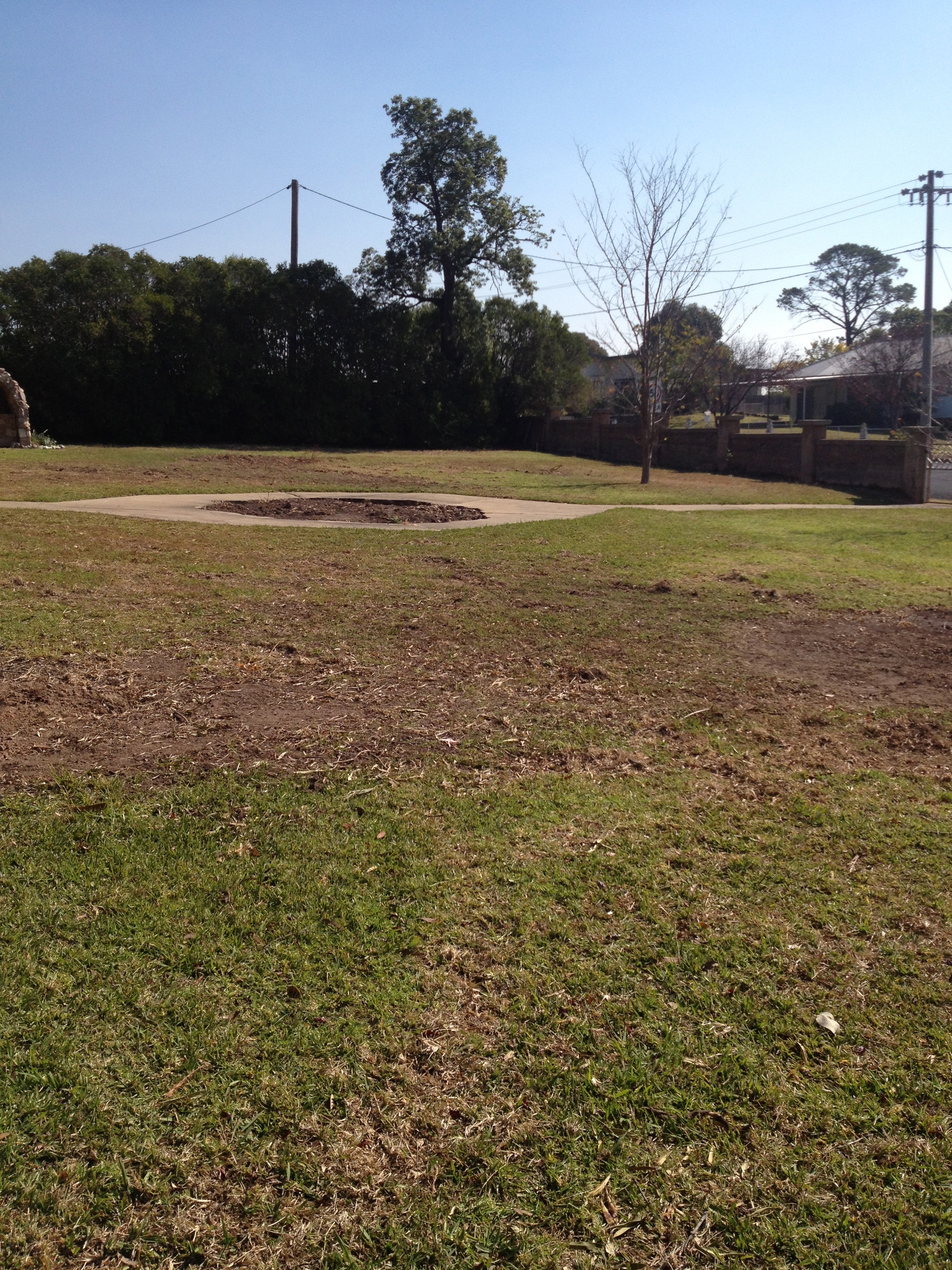
First step was getting the local excavator, Corey, in. He needed to bring in something smaller than his bobcat so as not to do damage to the concrete paving, which whilst originally set as a neat hexagon, had been badly damaged to set in the bushrock. Whilst he did a stellar job in clearing everything (and taking it away), there were still many bags of roots, rocks and other rubbish that had to be dug and raked out and taken to the tip (which amazingly, is free!). Whilst I probably should’ve just organised to get soil delivered, I’ve lugged heaps of bags of organic and mushroom compost as well as cow manure down to the front. In the end I just gave up and drove the car down there to drop it all off. The dogs have greatly enjoyed the whole experience in exploring and digging up the area, as have the local birds.

Post destruction
Post destruction

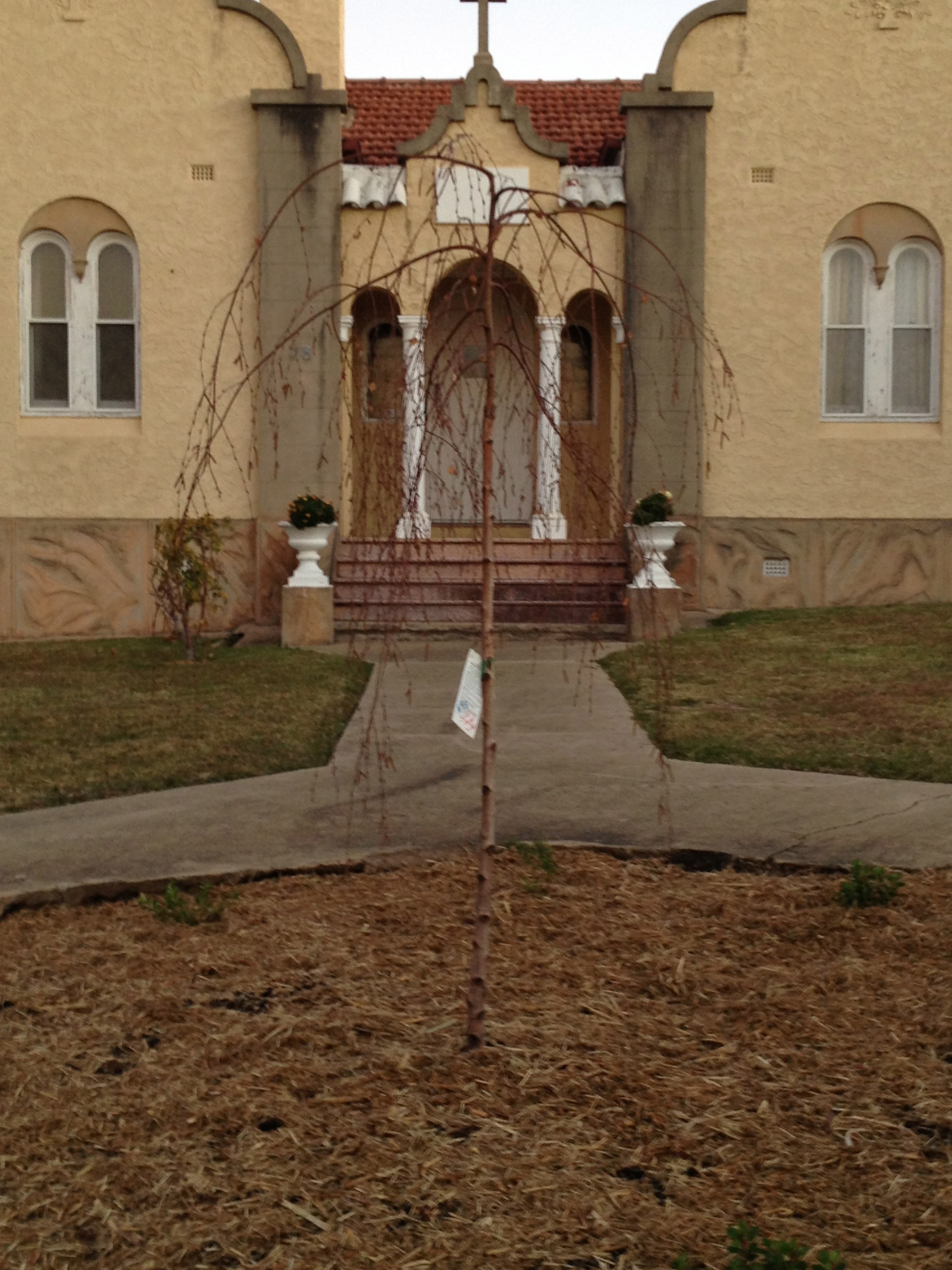
Lida, the local nursery specialist, gave advice, given it is a harshly hot exposed spot and will be the focus of the front yard. A weeping Silver Birch was chosen as the focal point – it’s textured white trunk should be a permanent attraction and will give the right colour and depth of coverage without growing too high. Escalonias will fringe the edge – hardy, yet attractive and will give good coverage of the damaged edge. The leaves look a bit like glossy azalea foliage and they have small pink flowers.

Select seeds and bulbs, put in pot, mix and rake in. Probably not in a gardening guide.

For now I’m trying bulbs and annuals in the middle section, which should give some height and movement – a mix of anenomies, cornflowers, delphiniums and white cosmos – so it will be mainly wavering blues and whites with a bit of pink and red thrown in. Not much science here. I’m just opening and mixing heaps of packet seeds, seeds from my own plants and corms and raking them into the garden bed, mulching and hoping for the best. I have an image in my mind but we are a long way off from seeing if it will materialise.

For now, I’m just happy with having gone this far and moving this onto the ‘done’ list.

Finished for now. Just sit back, wait and watch.

Likely Culprit

A bandicoot hole – not mine but very similar

The tide has turned and the locals are now suspecting I was not so far off the mark with the bandicoot suggestion. It’s been back yet again with another impressive hole.

Other pictures of bandicoot holes look very similar, so unless someone spots a wombat, rabbit, echidna or quoll, I’m claiming I have a bandicoot in the backyard!

The Convent bandicoot hole