I love a Hommus dip but this one is a little more vamped up (I hate that expression about ‘pimping’ things – do we not appreciate the usual connotation?). I think this version was inspired by Jamie Oliver. It takes an extra few minutes which are very well spent for an attractive and tasty plate – it tastes great and looks much more festive, particularly when served with fresh crusty homemade bread.
Ingredients
Hommus (feel free to take an extra step and make your own)
Lemon
Good olive oil
Paprika
Sea salt
Ground pepper
Steps
Stir the Hommus and place in a bowl
Liberally squeeze lemon juice over the top
Liberally pour olive oil over the top
Sprinkle with Paprika
Grind some fresh sea salt and pepper over the top
I don’t think you’ll find much left in half an hour.
Our cheeses incorporated into a luncheon spread including fetta and olive pull apart bread and spinach and sundried tomato ricotta tarts
… so said Monty Python with great wisdom and insight.
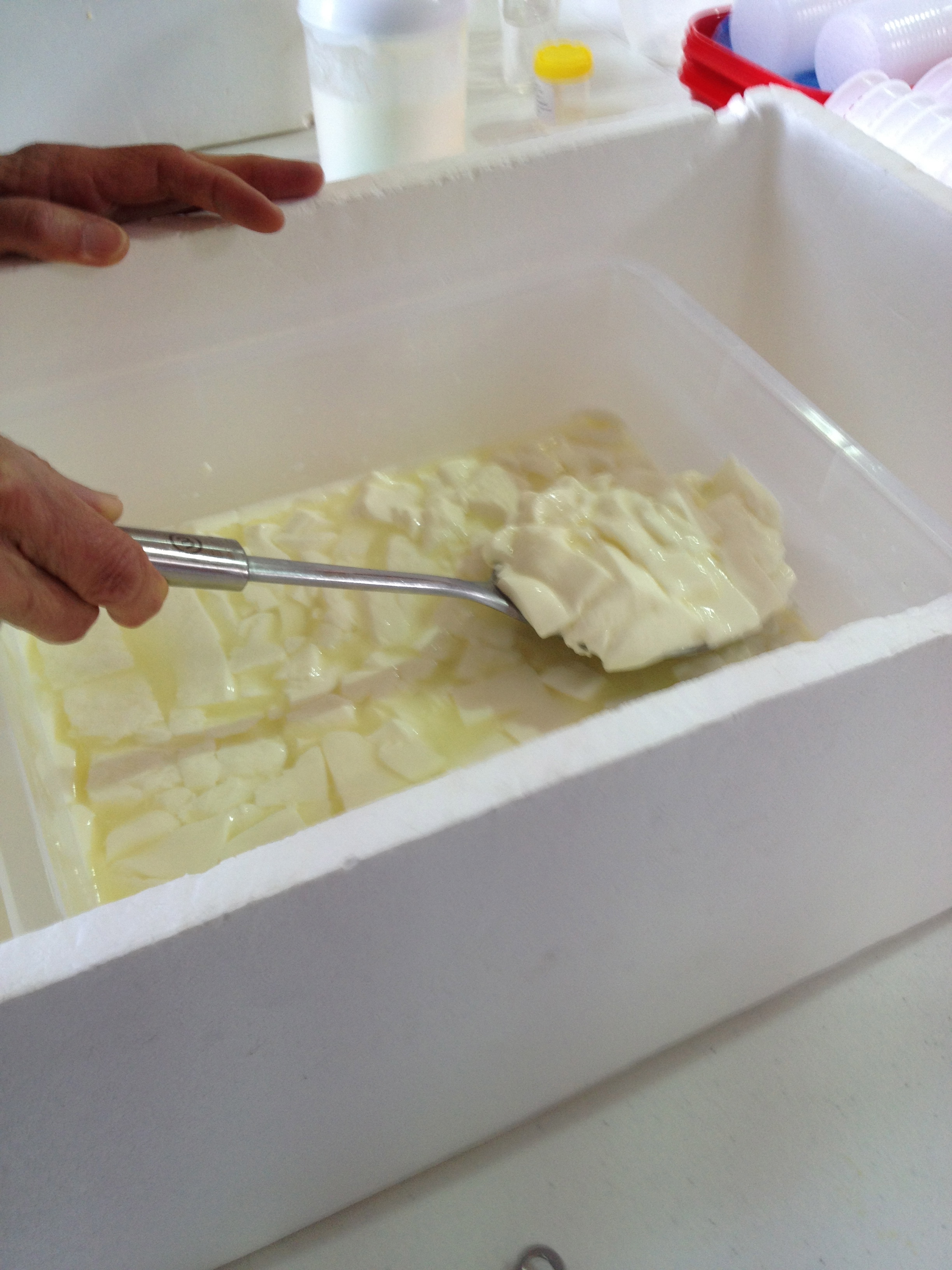
Turning the curd – like the milkmaids of times past
My friend G and I undertook the task of learning to make cheese with a day-long workshop held by The Cheesemaking Workshop at High Valley in Mudgee. Cheesemaking seemed a difficult task given the complexities and varieties of cheeses available, however the class was great fun, highly informative and gave us great confidence that we would become serious artisan cheesemakers of the future.
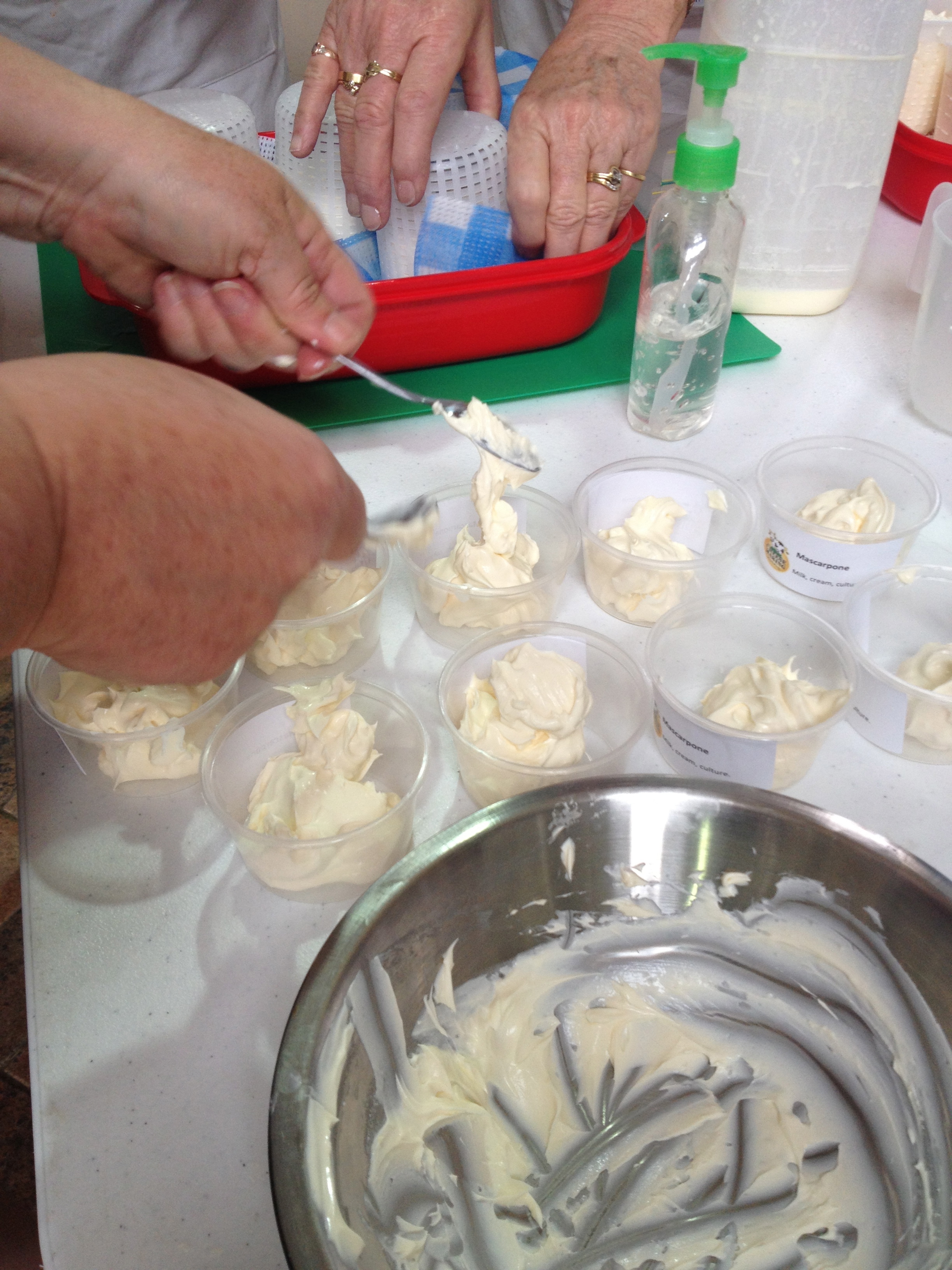
Our class was learning the fundamentals of soft cheesemaking which would also be the basis for some of the more complex and hard cheeses. Amazingly, we managed to fit in so many types of cheese/dairy products – ricotta, quark, yoghurt, fetta, marscapone, camembert. We were in a group of about 12 that split into sub groups of three which gave us a highly hands on experience in making our own cheeses. It was surprising to see that this was so highly process driven with a few common ingredients and the scientific aspects that made the difference between the types of cheeses, such as how thickly curd was cut, how differently or frequently it was turned or agitated and then the difference in finishing – brines, drying, bacteria additions … All incredibly natural and not difficult – just following processes and being patient as it takes some time to go through steps and allow cheeses to develop.
Setting our cheeses in rounds to dry
Anyway, as a result of the classes, G and I came home well equipped to make cheese and confident to boot. We spent the next few days looking after our fetta and camembert and I’m keen to make some ricotta and take it through to my own baked ricotta tarts. The class also showed us wonderful ways of incorporating our cheese into practical cooking which we more than sampled during the course.
I’d encourage anyone with an interest in cooking and produce to look into taking a course. I know the internet is a great resource and you can buy books, but taking a course, getting tips and doing it under the supervision of a good instructor just makes such a difference.
Our Marscapone efforts
Oh … and please, never throw your cream out again. If it is close to the expiry date and you won’t be using it, just whip it up with a pinch of salt – you can use a handheld beater or a Bamix type blender stick or your full bowl mixer. Making your own butter is so much fun – just whip it and either form it into a ball or shape with your hand or implements. Squeeze out the whey and you have great homemade butter which will last a few more weeks.
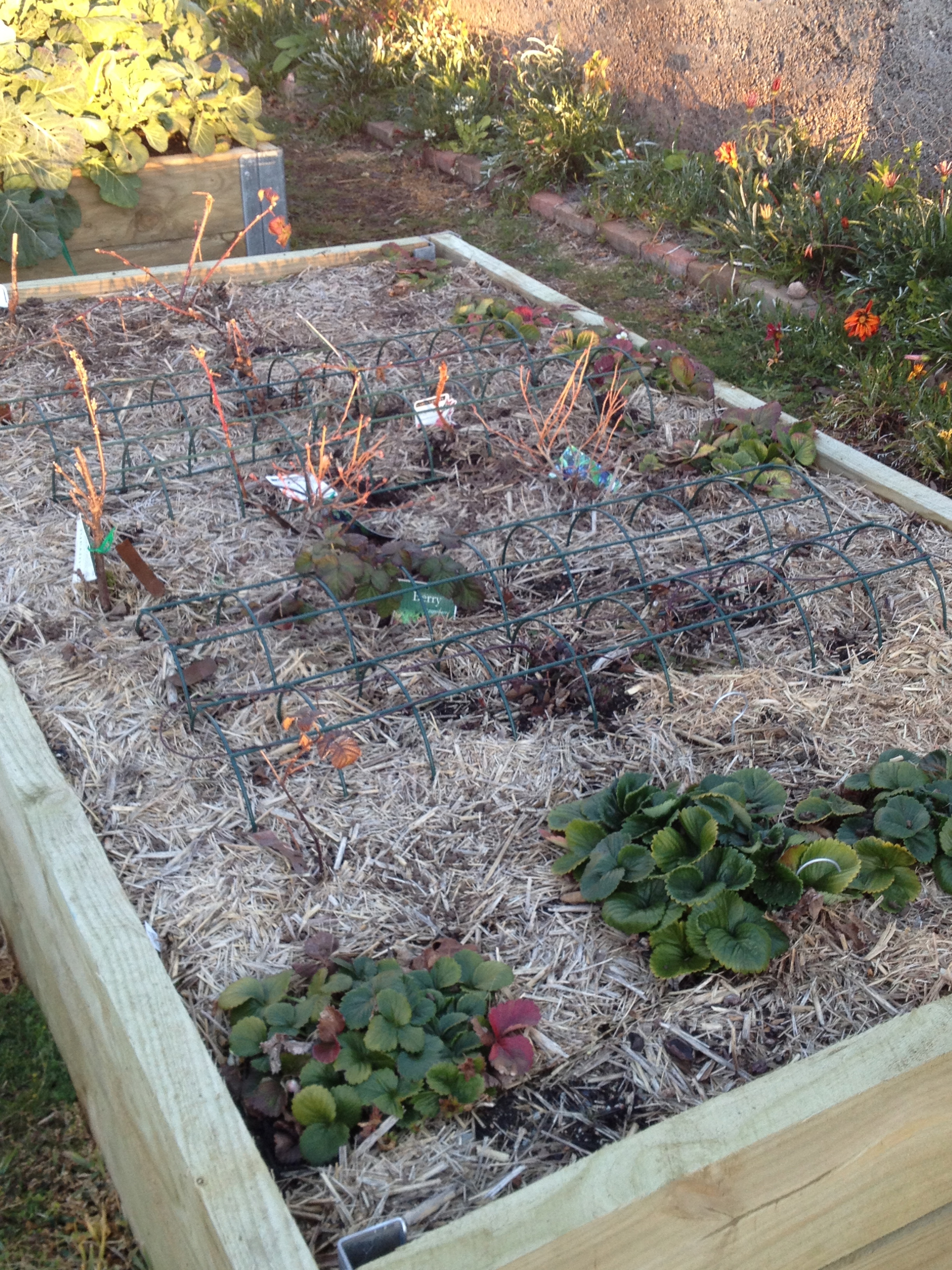
The Berry Bed – full of many varieties. Currently resting during Winter but hopefully will take off with a vengeance in warmer weather.
I’ve never grown berries before – other than a few strawberries – and I’m staggered at the varieties that exist. Years ago at a Bowral Market I was impressed when I saw Red Currant plants for sale and began to recognise the potential variety and appeal of different berries. I may have overdone it (a bit like the potatoes) but have an extensive varieties of berries (predominantly,but not exclusively) in a raised veggie/berry bed. So far these include:
Strawberries (I’m treating this as one berry, although I have quite a few different varieties)
Rasberry
Blackberry
Boysenberry
Loganberry
Youngberry
Tayberry
Blueberry
Currant – red, white and black
Elderberry
There may be more yet to come. Convent visitors and friends have been warned to expect sorbets, jams, jellies, drinks (wouldn’t some liquers be amazing), pies and desserts with a certain theme. I’ve also been warned that this bed will require serious netting as the birds will make it a favourite destination.
Seed potatoes becoming ‘chits’ – beginning to strike from the ‘eyes’
I’ve mentioned from time to time that I was planning to grow potatoes. I now have the stock to plant. I know you can just use ones from the supermarket but given this is my first effort, I thought I’d do it properly (and the proper seed potatoes aren’t prohibitive in cost). I always loved it when my father-in-law would drop off some of his latest crop but never previously had the space to grow my own.
My first effort will use special potato growing bags – they are not expensive and most of mine have come from Bunnings. They are reinforced heavy plastic type sacks with a velcro pocket so you can access the potatoes from down low.
The bags are partly filled with good compost and the seed potatoes planted and covered. As they grow, you cover any growth with more compost. That’s where I’m up to – actually just the planting. First step is to “chit” the pototoes when you leave them in a protected sunny spot to start shooting prior to planting.
As usual, I’ve perhaps overstepped the mark and found myself with nine different varieties. Gone are the days when potatoes came in simple choices such as ‘new’ or ‘old’ or washed, brushed or unwashed (clean, a bit dirty or very dirty):
Desiree – Waxy pink/red skin and creamy yellow flesh – a versatile, fairly waxy variety which is firm and holds its shape and useful for all methods of cooking; from roasting to mashing and salads. One of the common supermarket potatoes.
Pontiac – Another of the more common varieties – Pink skin and white flesh A good general purpose spud.
Nicola – Yellow flesh. Excellent for mashing and gnocchi and good for boiling, chips and roasting. It has a very buttery flavour. Looking forward to using this after my gnocchi cooking classes.
Kipfler – Currently very popular. A waxy, finger shaped with creamy-coloured flesh. Great boiled, steamed and in potato salads and for presentation purposes. I’ve also had it deep crispy fried for chips (like crispy parnsip chips) which were wonderful.
Dutch Cream – Delicious potato with exceptionally creamy flesh that is perfect plain boiled or baked. One of the best for roasting.
King Edward – This heirloom potato raised in 1902 has stood the test of time. Creamy flesh and skin dappled pink. Great for boiling, chips and mash. Unbeaten for roasts.
Mozart – Golden yellow flesh, that needs no additional buttering, makes one of the best baked potatoes. Flavoursome firm red skin makes it a good keeper with good disease resistance.
Royal Blue – Royal Blue skin fades to golden brown when made into chips. Creamy yellow flesh ensures delicious mash. Wonderful roasted.
New Zealand Yams – Despite being claimed by the Kiwi’s, Oca has long been cultivated by the Andean Indians as a staple alongside potatoes. Cook like potatoes by boiling or roasting, or eat raw after ‘sweetening’ in the sun for a few days after harvest. Flavour is nutty slightly acidic.
Other than the first two, the pototoes came from Diggers. The following websites have great information on the different typs of potatoes.
There are plenty left over which have gone to local friends.I don’t think there will be a potato shortage in Kandos this year. I’m looking forward to experimenting with the different varieties.
My ‘tatie bags labelled and planted. There are a few more still to be set up.
It’s hard to believe, but it’s almost a year since I first saw the Convent (and discovered where Kandos is). It was the 20th August last year when, along with my good friend Lee, we set off with his trusty GPS named Siobhan, given the lady has an Irish accent, to find Kandos and the Convent. All we knew was that we could go Bells Line of Road and it was before Mudgee.
My friends had already accompanied me on a number of inspections of rural properties, all of which had been seriously disappointing, so L was endeavouring to temper my very excited expectations which by that stage was probably already at making plans for grandchildren, which are not on anyone’s horizon. After all, it was a long trip home after a big day if I was going to be teary.
Anyway, the Convent obviously didn’t disappoint and it seems such a short time ago, even though so much has happened and so much work has progressed. I had the world’s longest settlement which even saw a change of Popes.
It also means that fast approaching is Rylstone Street Feast which will be held on Saturday 2 November and is an extravaganza of 4 courses of sumptuous local food served at a community sit down lunch running down the centre of the main street. It is one of the highlights of the area and not to be missed. It was also the first time that many of my friends came to Kandos to see the Convent.
Anyway, tickets have just gone on sale and we’ve snapped them up again. In the meantime, I’m looking forward to a few months time when I can sit back and relax to enjoy the Convent fully.
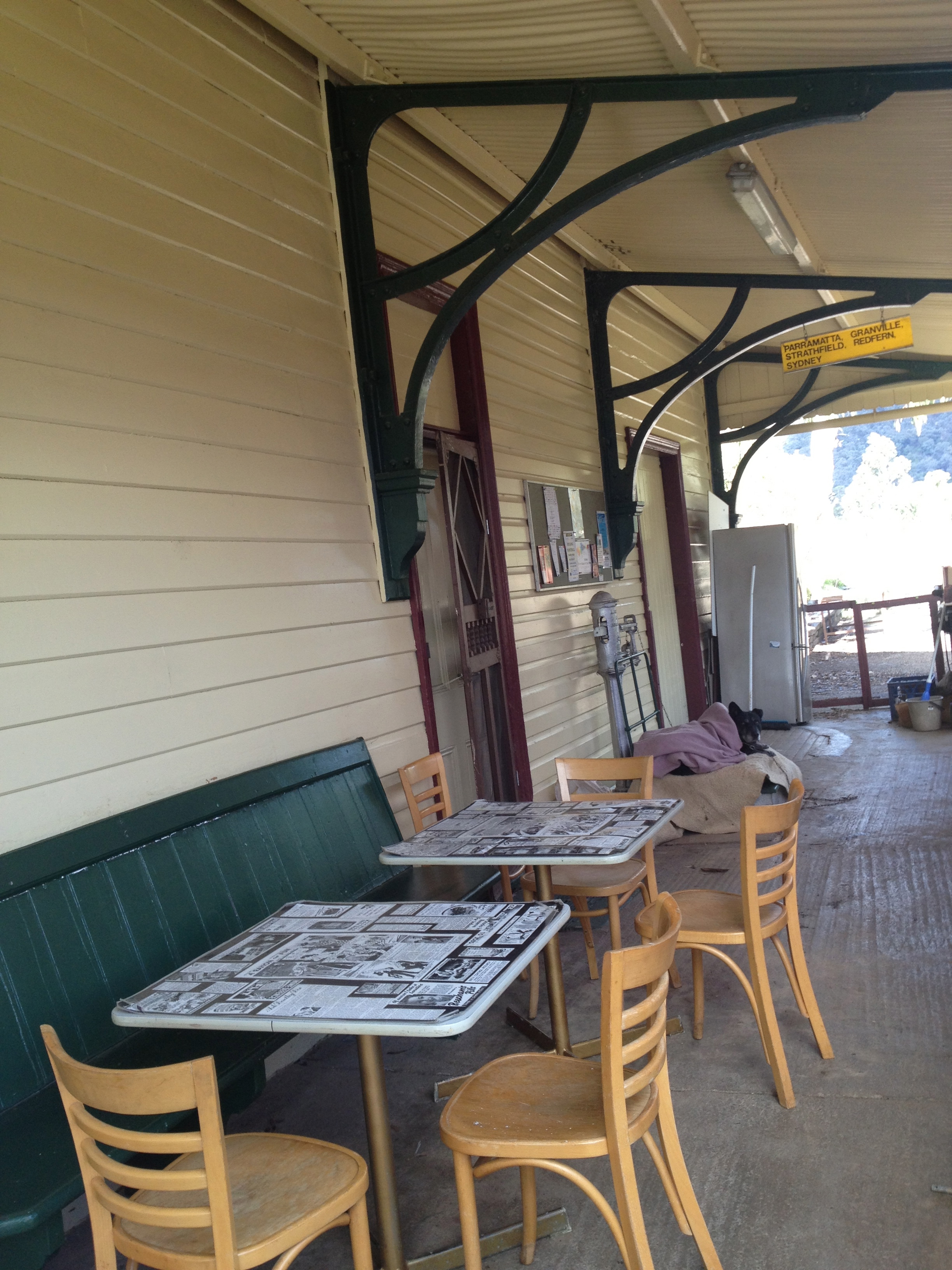
The exterior of the cafe – indoor and outdoor seating
This was one of my first introductions to Kandos and is a great example of the friendly townsfolk here. Sue and Dave, the proprietors, take great care with their unique business and also make a significant effort in supporting the local community. Now coming here is more like dropping in to old friends rather than somewhere to go for lunch.
The name of the cafe relates to it being the old railway station. The train line unfortunately no longer runs through Kandos regularly, although infrequently there is a tourist service which is a sight to behold. It would be so wonderful if the train still continued through from Lithgow to Kandos.
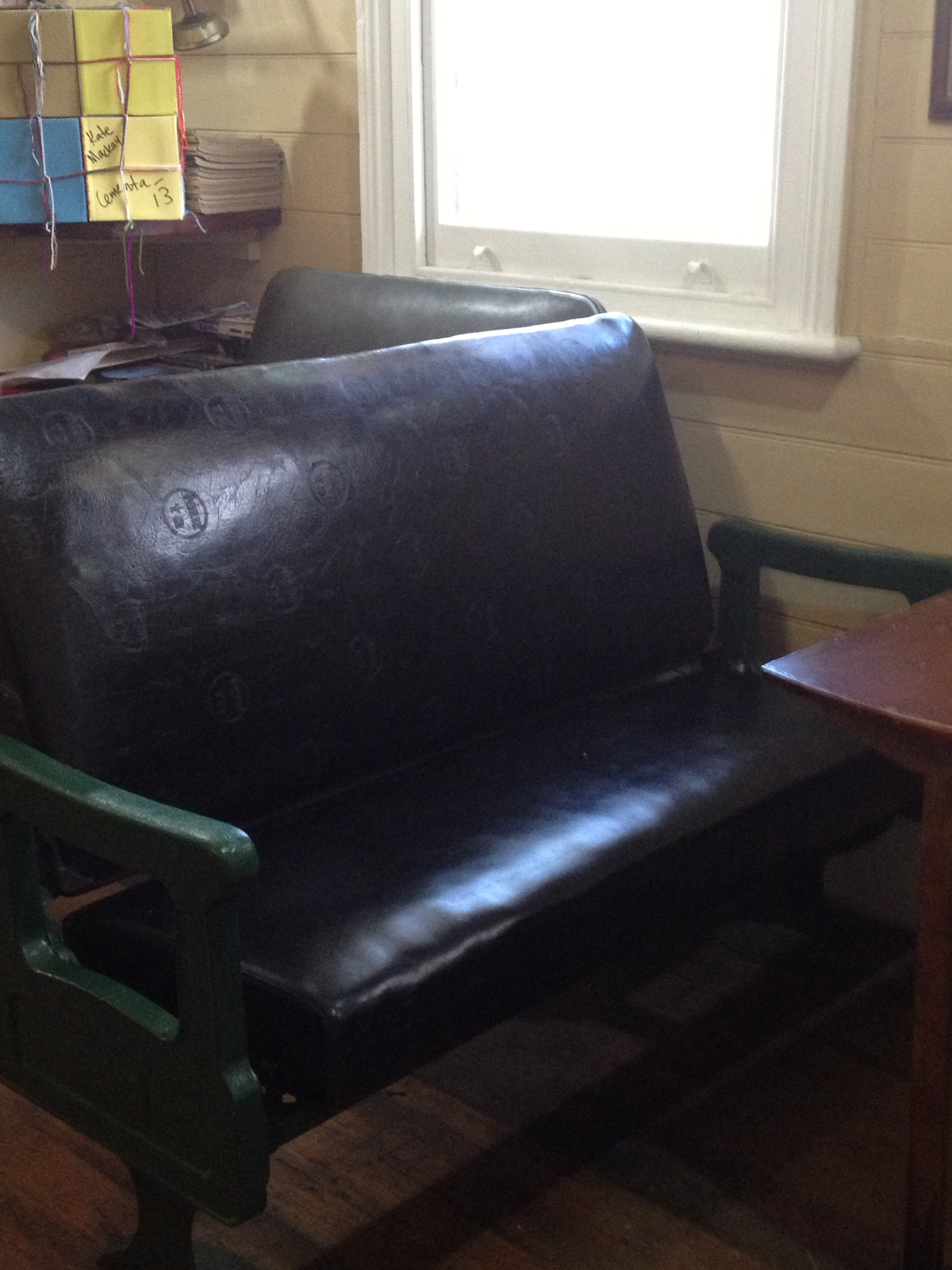
As the old Kandos railway station, it is in a great location and perfect for a quiet respite and refuel. The building sits alongside the tracks and the interior reflects its railway heritage, with seating from old old train seats and carriage fittings throughout.
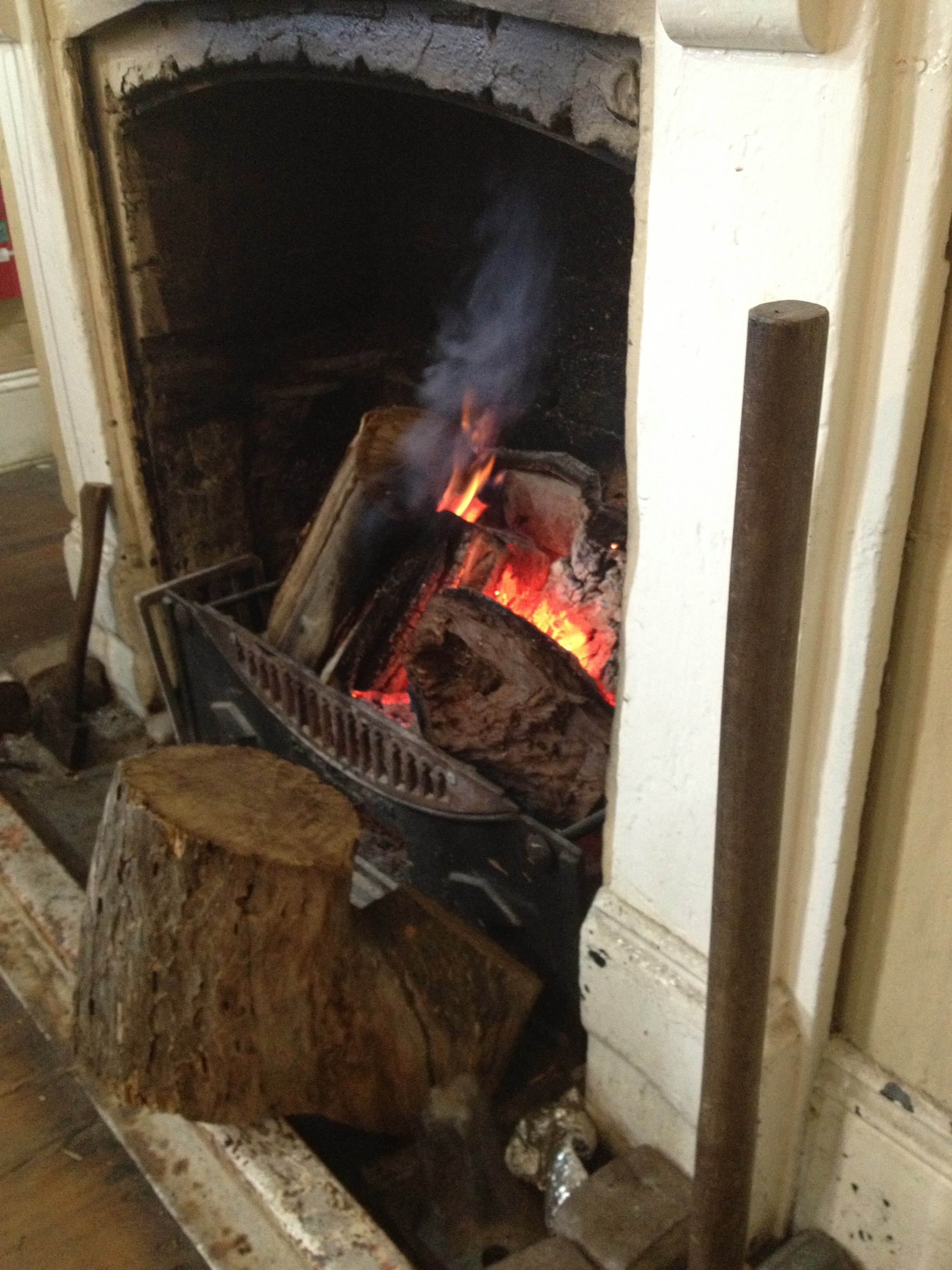
In Winter there is an open fire and in warmer weather occasionally movies are shown on a projector across the railway line. Outside you can view some interesting local sculptures.
A great place to drop in for a good meal, a coffee and some information on the local area, as it also serves as the local Tourist Information Centre. The cafe is located at the entrance to town at the start of the main street just off the Railway Green where the major local events are often held.
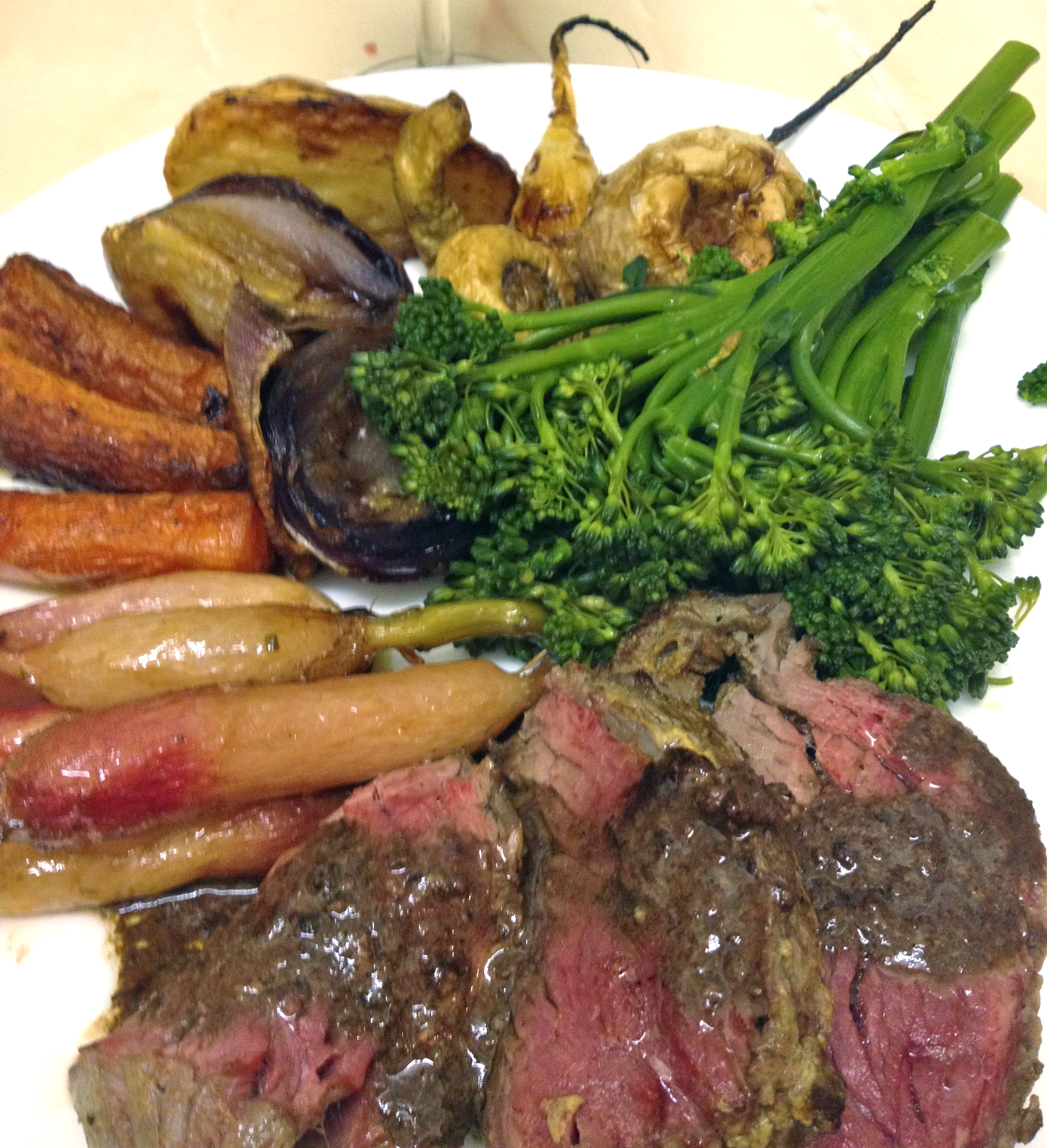
Here is this week’s harvest. The beetroot and turnips are not quite ready to pick. Being absent part of the week means that sometimes I have veg mature whilst away and feel guilty returning to flowering broccoli. Anyway, tonight is rump steak with roasted root veg, braised radishes (an experiment) and broccoli. Just a warning on the broccoli. If it’s home grown, don’t think you’re safe just by washing it. I’d recommend banging (or rather, bashing) it against the side of the kitchen sink. It can be alarming the number of green grubs that emerge. You may embrace a more holistic approach to gardening and cooking, but I don’t. And the thought of blending them in a Cream of Broccoli soup does not appeal.
I love my radishes. I always look forward to Summer and buying a bunch of these ruby jewels. I didn’t realise how easily they grow from seed year round. Since being at the Convent, I have continually planted out radishes. The main problem has been that they don’t make it to the kitchen – I just pick them, dust them off and eat them on the spot.
Originally I planted the more traditional Cherry radish variety, but have since added ‘French Breakfast’ which is a more elongated version – lovely and tender. In my efforts to maintain the radish supply, I have planted them in a ‘few’ places. I don’t do things by halves – I’m sure there is some obsessive compulsive personality disorder lurking not far from the surface, but the outcome for radishes is that I have lots that are growing really quickly, so have been looking for ways to consume them other than gobbling them in the garden during Winter.
Whilst there seems to be a plentiful supply of recipe suggestions for raw radishes, there seems to be a more limited range for cooking them. They are a root vegetable, so I think cooking them in Winter is a reasonable approach. After some exploration, I have decided to try the following:
Braised Radishes
Ingredients
Radishes – of course
Butter
Olive oil
Brown sugar
Stock – chicken or vegetable
Salt and Pepper to taste
Pick and wash radishes – trim the roots and top so you have a little length of each.
Put the radishes in a pan along with stock, butter and olive oil, as well as a heaped teaspoon of brown sugar. I used a cup of chicken stock and approx. 1 tablespoon each of butter and olive oil.
Simmer uncovered to reduce stock.
When well reduced, add salt and pepper to taste and serve.
If the radishes appear tender and cooked but you still have heaps of liquid, remove radishes and turn up heat on sauce to reduce to more of a glaze, re-add radishes, heat and cover with glaze to serve.
Result = Delicious
Next radish recipe may try roasting/braising with honey.
Dinner – confession, I added more potatoes although I didn’t quite leave an empty plate
This weekend I harvested my first set of root veg. Apparently root vegetables are the standard fare to plant for Winter. I love my soups, casseroles and roasts so this is hardly a hardship.
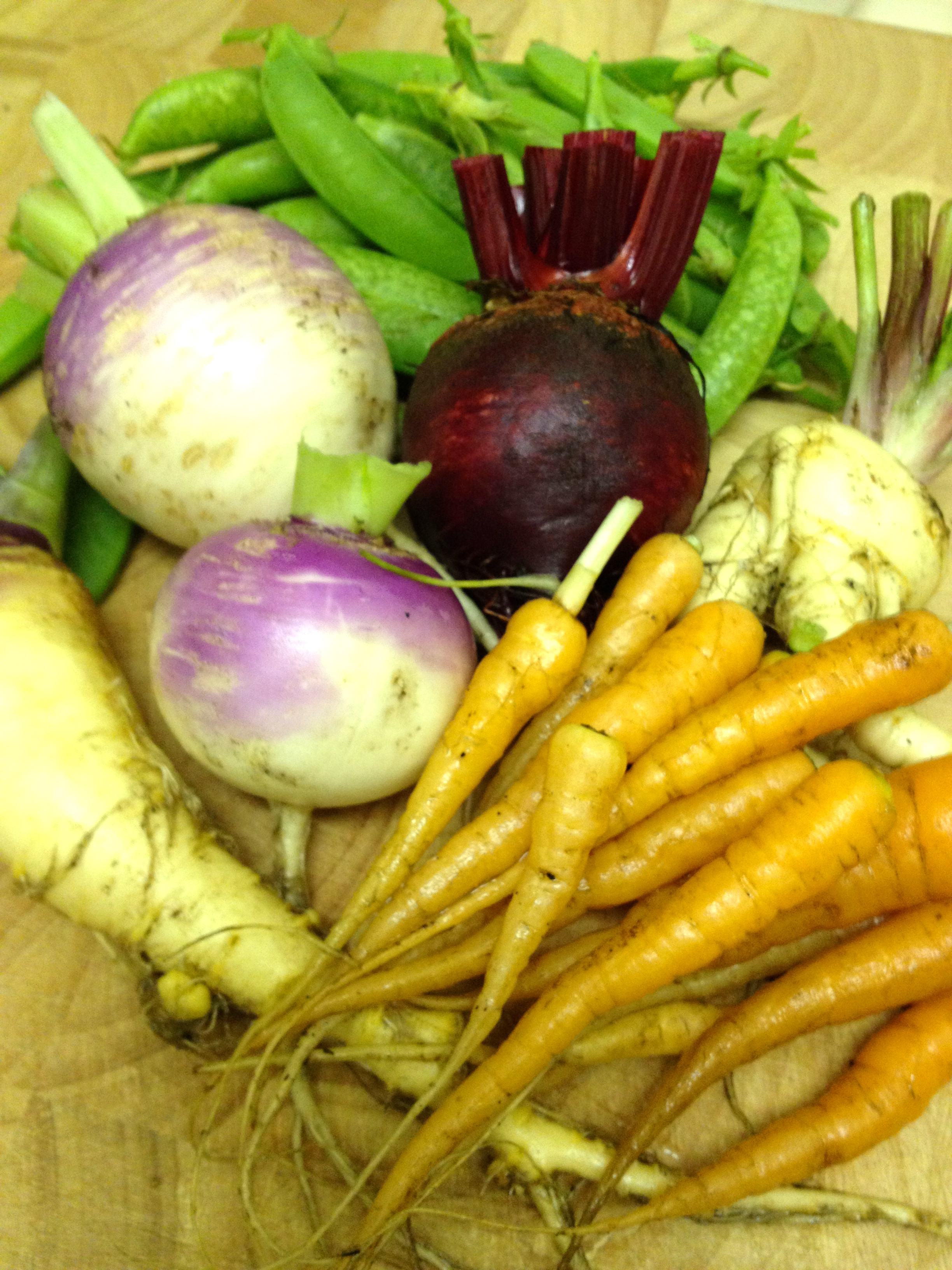
I was so excited this weekend to be in a position where I could harvest enough for two nights roasts (well, only one Beetroot was big enough to pick…). I managed to collect Parsnip, Swede, Turnip, Beetroot and Carrots (which were small but perfect) as well as Broccoli (which has been prolific) and Sugar Snap Peas.
I’m learning by mistakes – I will NEVER EVER plant beans again so close to Winter. I had several types in and the frosts wiped each out very early, even though they had been growing strongly. Strangely enough, most of the leafy veg – Kale, Rocket, Spinach… has gone well. The Peas seem to flourish in the cold, as do Broad Beans, although they (hopefully) crop later.
I’ll be braver in future with seeds. The seedlings I planted out from punnets have been fine, but I only have limited plants (6 – 8 as per the punnets) whereas for the seeds planted, my biggest problem is having the discipline to thin them. So I only have a small crop of Beetroot, however the neighbours are under strict instruction to start culling Turnips and any of the leafy greens that were planted by seed.
I’m very happy with the outcome for my first year of veg, but hope the soil will continue to be as giving with future crops.
1/3 cup of stubby rice – Arboria or short grain (or something similar)
3 eggs (was actually 7 but 4 were well past the safe date and, to be honest, the 3 I used were just past it)
600 ml milk (I used just less as I’d made coffee for the tradies from the carton)
approx 1/3 cup sugar
vanilla (I didn’t have any so popped in some of my favourite Pear and Vanilla Jam from Rylstone Pantry https://www.facebook.com/RylstonePantry), however this is an unlikely option for others.
nutmeg (preferably freshly ground)
Cook rice until tender
Preheat oven to 180d
whisk together milk, eggs, sugar, vanilla. Strain. Add in rice and stir until evenly distributed.
Put baking dish in a larger baking pan. Pour water in outer baking pan until at least half way up the side.
Pour custard mix into baking dish.
Grate nutmeg over the top.
Bake for 40 – 45 minutes until knife inserted comes out clean.
Leave to cool for about an hour (or chill) before serving.
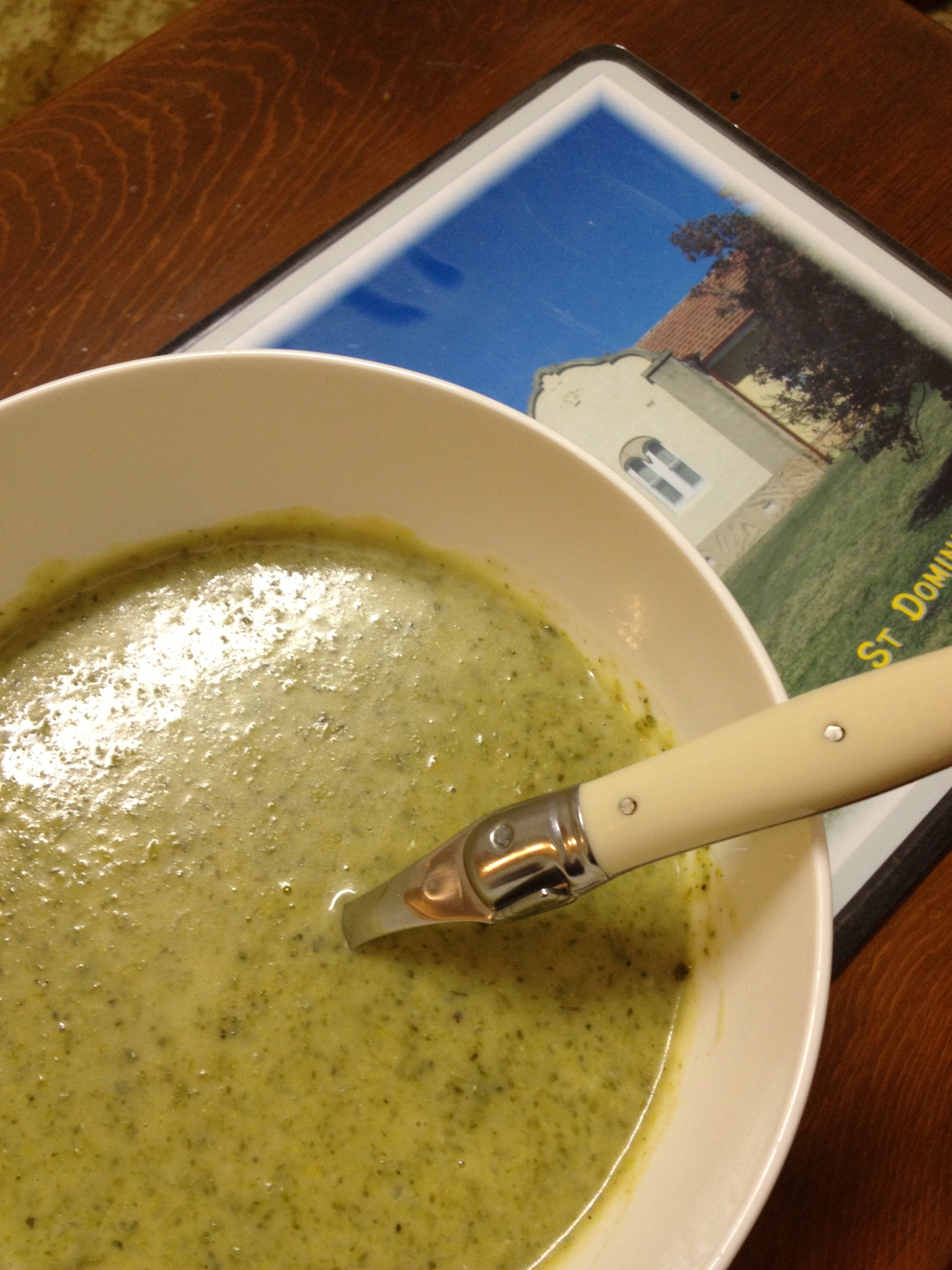
Firstly, here at the Convent we are not sticklers on measuring, unless critical to the recipe. I like to call it a “bespoke” approach, to use management jargon. Cream of Broccoli Soup is no exception, after all, it all depends on how much Broccoli is available. This has been made with special Convent Broccoli – the first ever Broccoli picked from the Convent.
Ingredients
An onion (or two)
Two garlic cloves (or more)
a few stalks of celery
broccoli
stock
butter
plain flour
milk
blue cheese
Firstly, chop up the onion, celery and garlic. Rough is fine as it will end up blended.
Saute in butter until soft, then add in chopped Broccoli stalks.
Saute gently for 5 – 10 minutes more, not to the point of colouring.
Heat stock in a separate saucepan and when boiling, add Broccoli flowerettes and sautéed onion, celery and garlic.
Simmer for 15 minutes. Take off heat and stand for 5 minutes.
During this time, melt additional butter in saucepan (the one you used to sauté the vegetables is fine), add flour and stir for a few minutes on gentle heat.
Add milk gradually, stirring to a thick roux.
Blend the Broccoli mix, then add gradually to the roux, stirring continuously.
Continue to add Broccoli mix and stir on gentle heat until all combined and beginning to simmer.
If too thick, add some more milk or stock, do not boil.
................... for lovers of ice cream. Your free on line magazine for sweet frozen treats. Recipes, inspiration, artisanal ideas for your delectation.











 CONVENT AND CHAPEL